
From Sea Nomads to Ocean Guardians: The Story of Abang Island
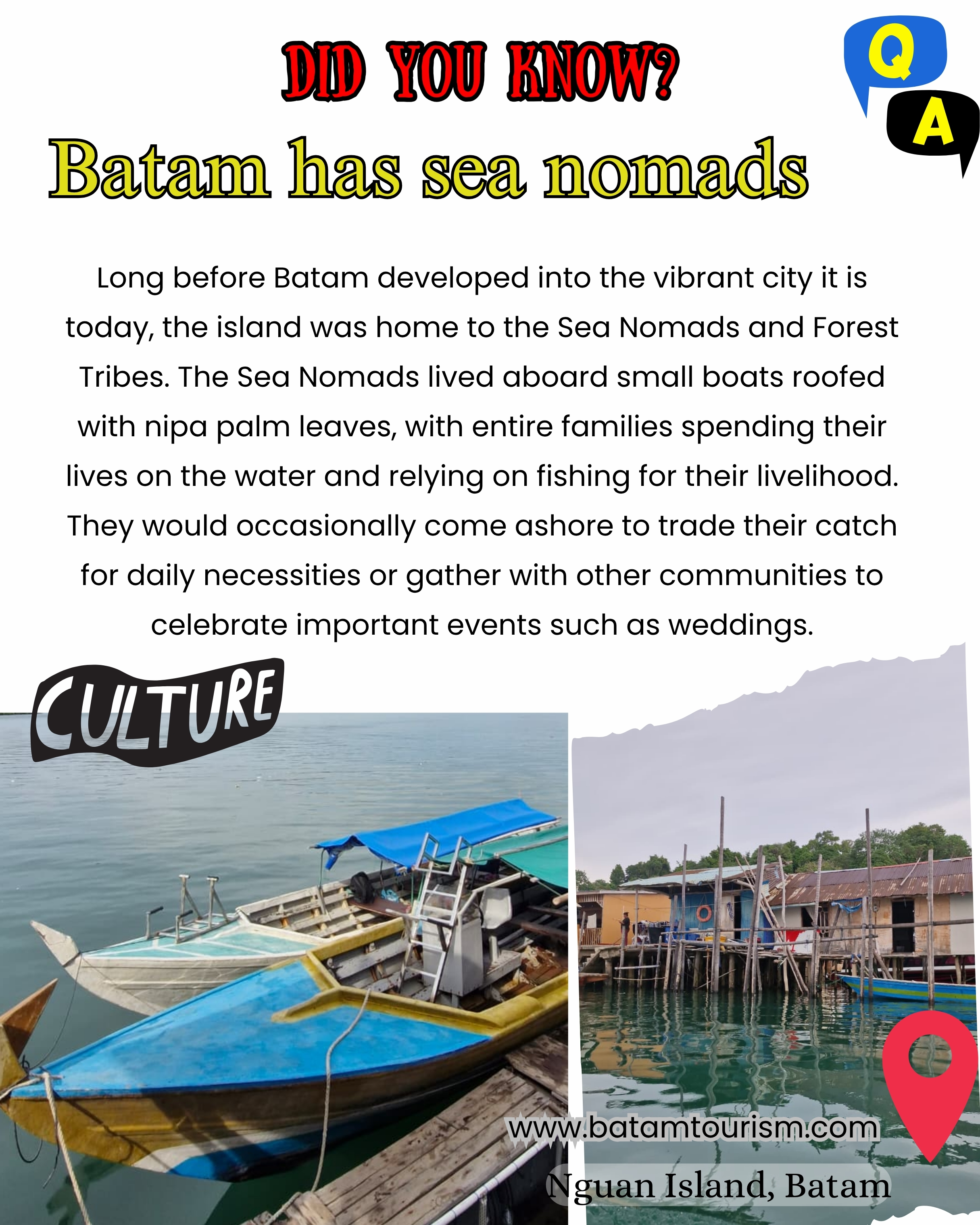
Before Batam was developed by the authorities, these islands were home to two main groups: the sea tribe and the forest tribe. The sea tribe lived a unique life, not on land, but on small boats covered with nipa palm leaves, drifting across the waters of the Riau Islands. Each boat carried a whole family father, mother, and their children and the sea was both their home and their source of life.
Their days were spent fishing, and from time to time, they would come ashore to sell their catch, exchange it for daily necessities, or gather for important occasions like weddings. One of the most special traditions was during marriage ceremonies, where the bride and groom would race by rowing their boats. The groom would usually win, symbolizing his readiness and ability to provide for his future family.
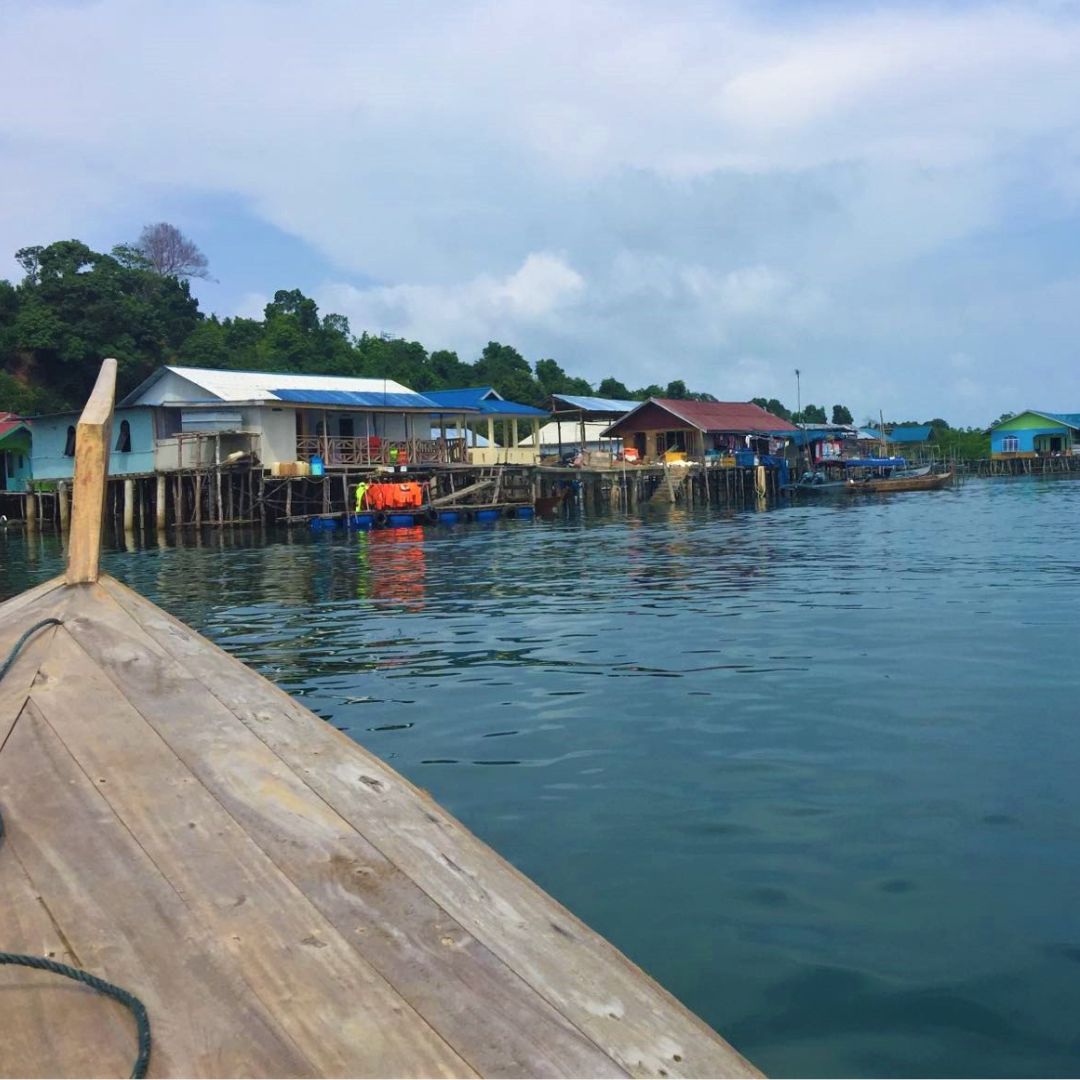
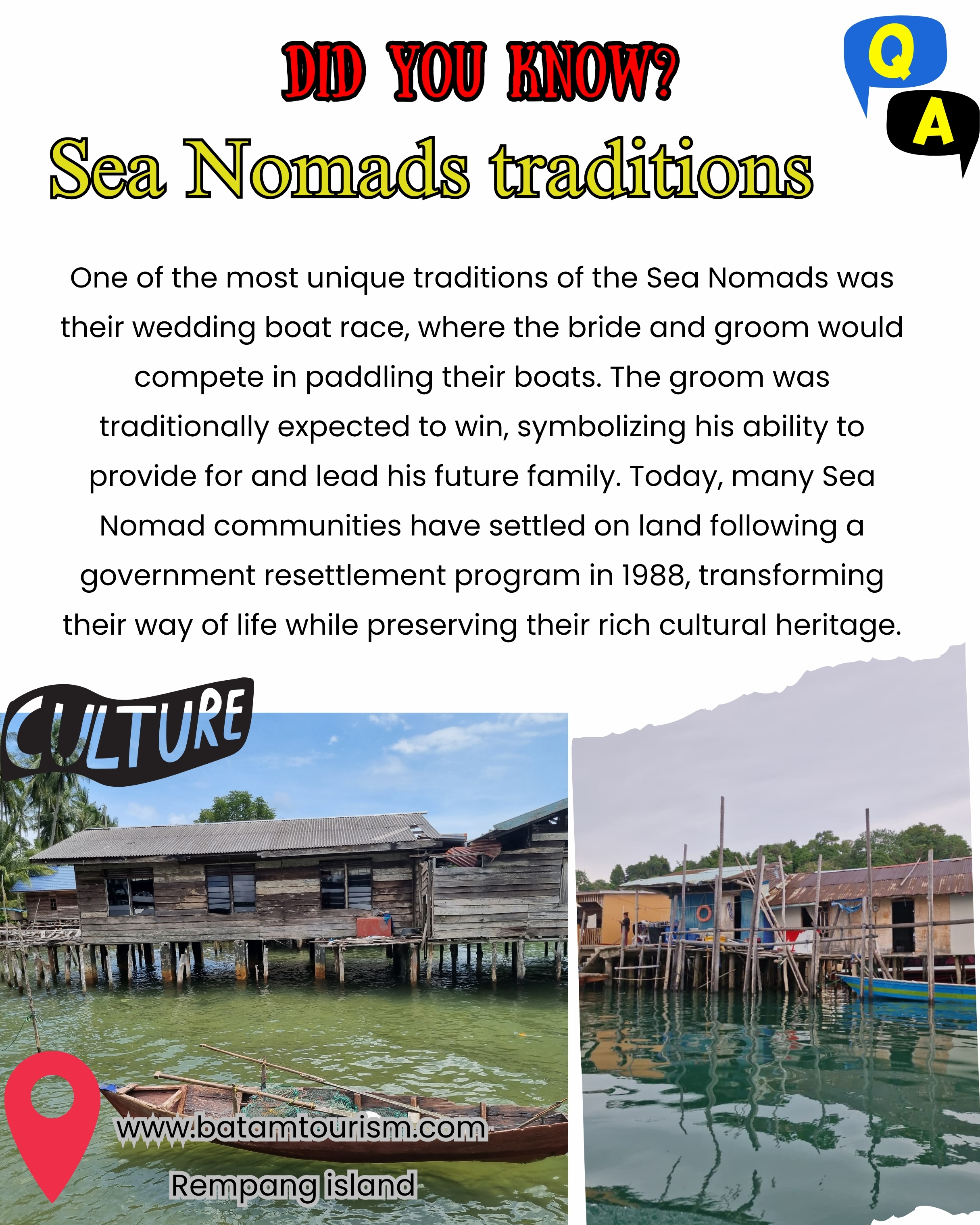
Over time, life began to change. In 1988, the government introduced the PKAT program, encouraging the sea tribe to settle on land, particularly on Bertam Island in Belakang Padang. Houses were built, along with schools, mosques, and transportation facilities. Gradually, the sea tribe adapted to a new way of life, no longer living on boats but still carrying with them their deep connection to the ocean.
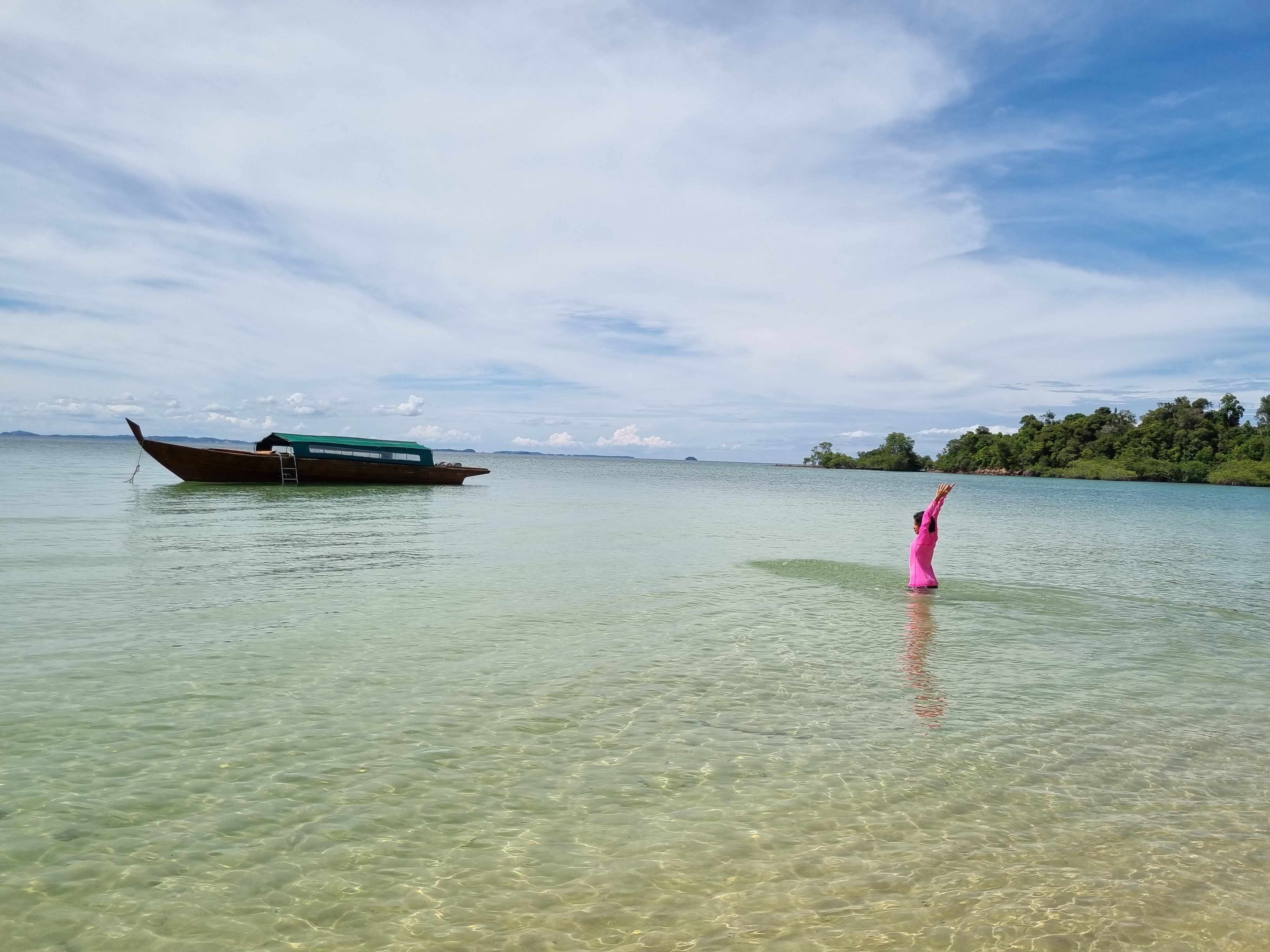
Today, that connection can still be felt when you arrive at Pulau Abang. This small island is now home to a close-knit Malay community, where life continues to follow the rhythm of the sea. Fishing boats line the shore, and the ocean remains an essential part of everyday life respected, understood, and carefully protected.
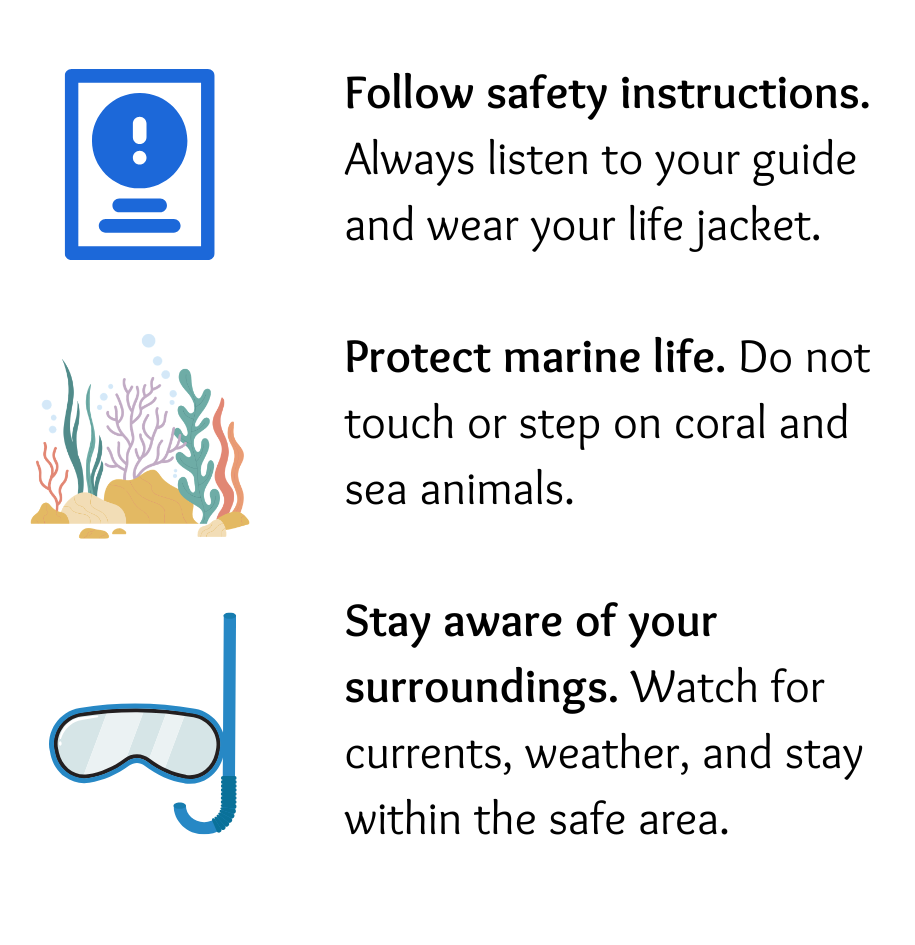
As you prepare for your snorkeling trip, you meet your guides local fishermen who have inherited generations of knowledge about these waters. They are not only experienced but also properly trained, blending traditional wisdom with modern safety practices. For them, the sea is more than just a place to work; it is their heritage and their future.
When you step into the water, you begin to see the ocean through their eyes. The coral reefs, the fish, and even the gentle currents all hold meaning. The guides don’t just show you where to go they share stories, insights, and a sense of responsibility for protecting this fragile ecosystem.
By joining this snorkeling experience, you become part of that story. You are not just exploring the underwater world you are supporting local livelihoods, helping these guides provide for their families, and contributing to a community that continues to live in harmony with the sea.
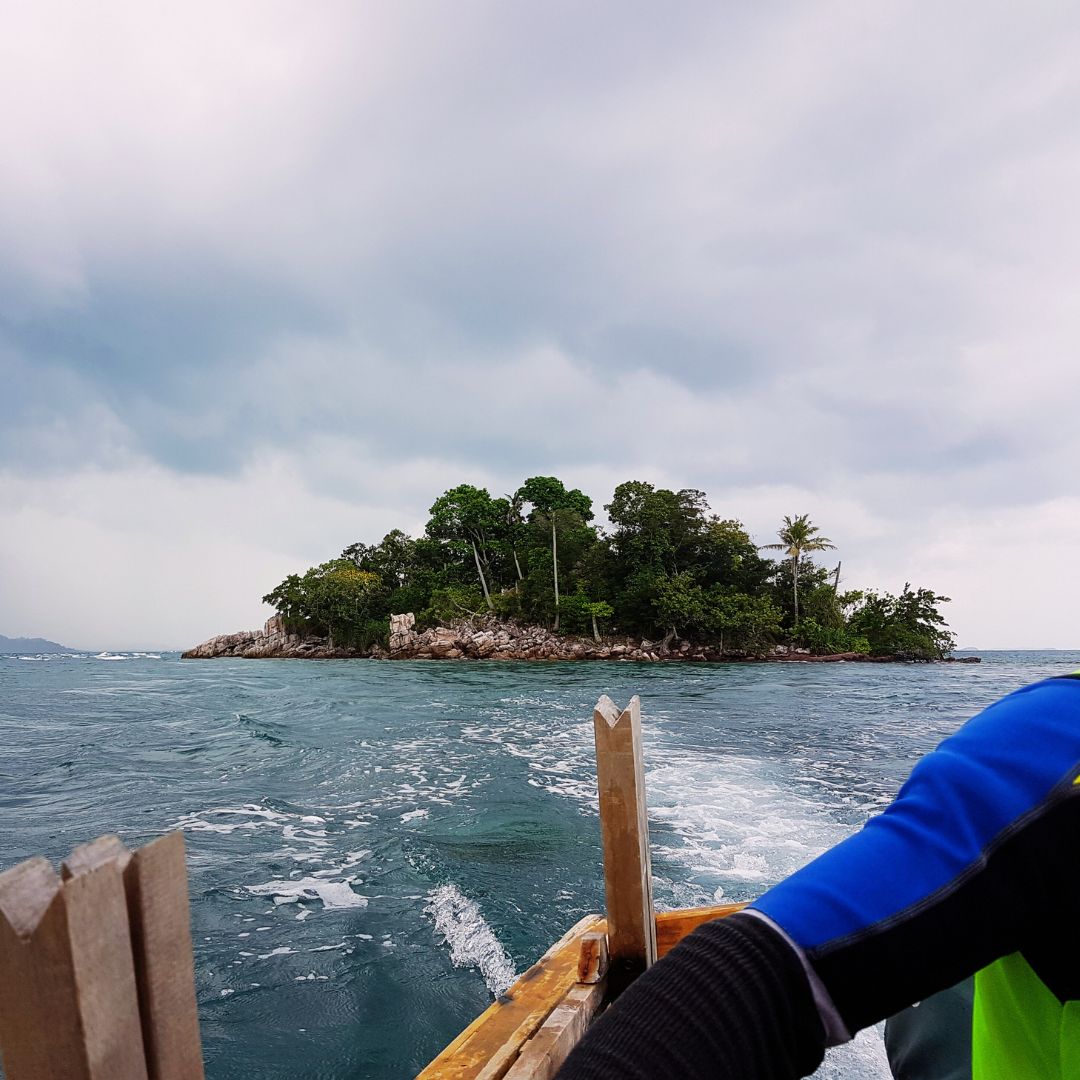
By the end of your visit, Pulau Abang is no longer just a destination. It becomes a place of connection where history, culture, and nature come together, leaving you with a deeper appreciation for the ocean and the people who call it home.
Discover, Respect, Protect our nature
Travel Responsibly, Experience Meaningfully
As a responsible business, we protect the seas, celebrate local culture, and create experiences that benefit both travelers and the community


Trip map & Itinerary
Day by day itinerary
Day 1 – Arrival, Island transfer and snorkeling
- Meet & Greet: Upon arrival, meet our friendly tour guide who will accompany you throughout the journey.
- Depart to Galang Bahru Island (via land transfer). On the way, we will stop at the Barelang Bridge, the most iconic landmark of Batam
- Transfer to Nearby island for snorkeling preparation
- Snorkeling at Abang island
- Return to accommodation to wrap up the day
Day 2 – Snorkeling & Island Exploration
- In the morning after breakfast, depart to dedap island
- Snorkeling at abang island
- Midday: Relax on the beach with a refreshing coconut or picnic lunch.
- Return to accommodation for preparation to head back to Batam island
Day 3 – Batam island tour
- Visit one of the biggest temple in South east Asia
- Coffee tasting
- Visit traditional market
- Heading back to ferry terminal

The Do’s and Don’ts during this trip?
Do’s
- A swimsuit that covers most of the body, with a long-sleeve rash guard and swim leggings for sun protection
- Towel
- Lightweight flip-flops/sandals
- Dry bag (to keep valuables safe from water)
- Sunglasses & hat
- A reef safe sunscreen***
Don’ts
- Do not wear regular sunscreen with harmful chemicals (like oxybenzone, octinoxate)
- Do not step on coral
- Do not touch or chase sea creatures
- Do not feed the fish
- Do not snorkel when you feel overly tired or unwell
- Do not remove shells, coral, or sand
*** Our Vision
We believe in continuing to explore the world and experience the richness of tourism, while embracing our responsibility to protect nature. Every journey we take is not just about discovering new places, but also about respecting the environment and supporting local communities. By practicing responsible tourism, we contribute to the preservation of ecosystems, cultural heritage, and marine life, ensuring that future generations can enjoy the same wonders. Our vision is to make travel a force for good, where exploration goes hand in hand with sustainability, and every adventure leaves a positive footprint on the planet
