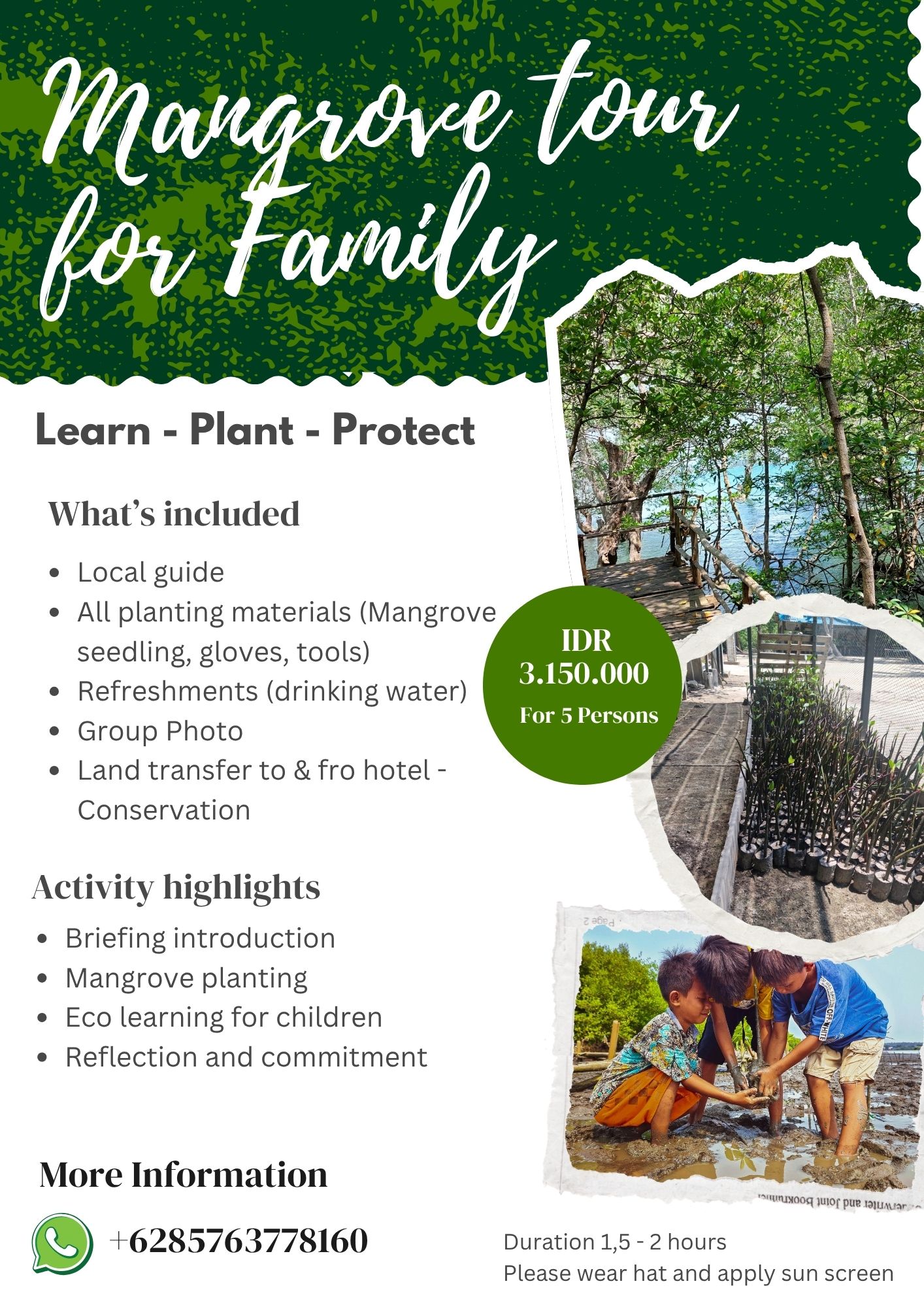
Stay safe, respect nature, and enjoy the experience
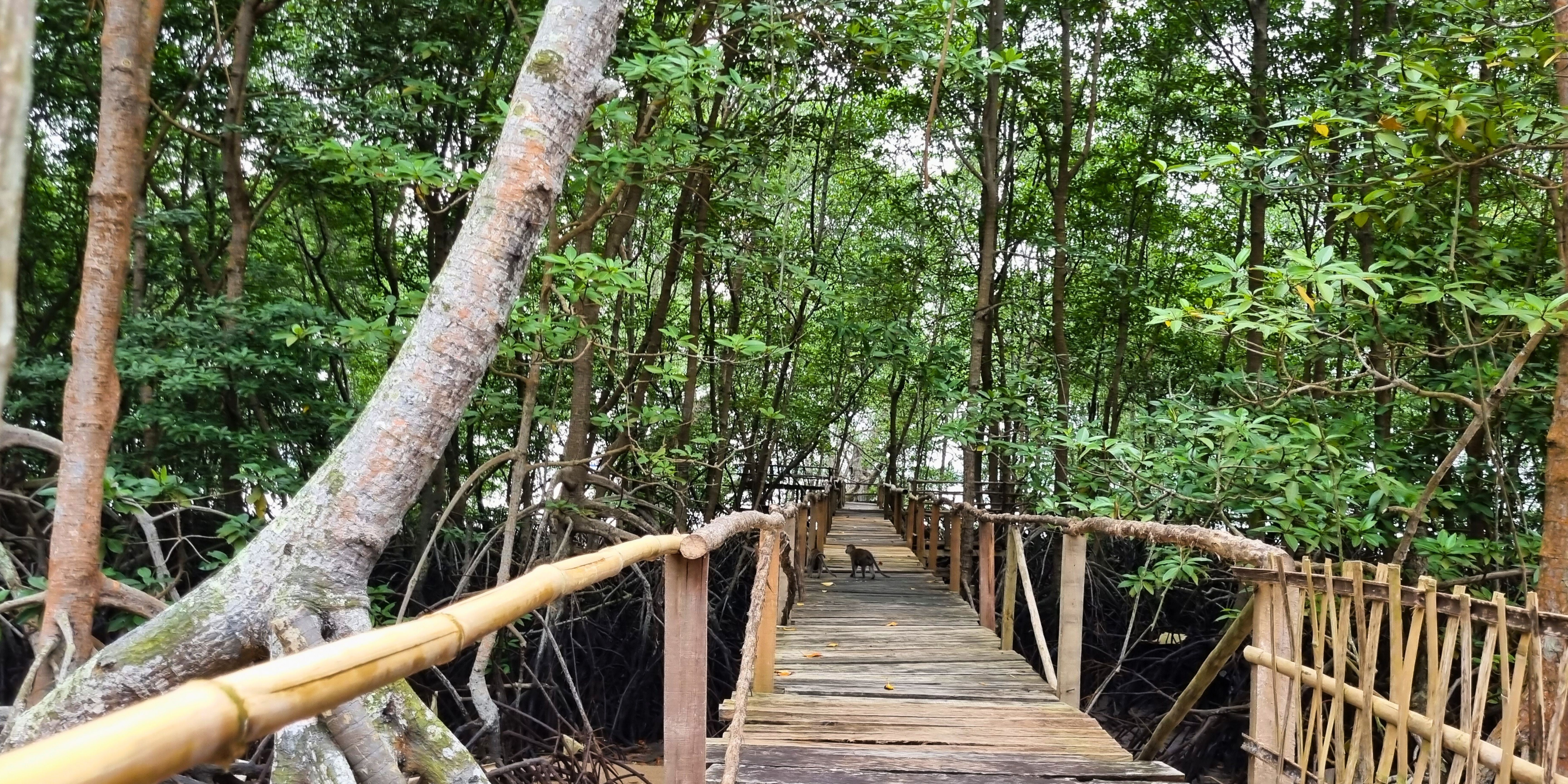
Imagine you are gliding slowly through a quiet mangrove forest. The water is calm, and all around you, twisted roots rise from the mud like natural sculptures. At first, it may look still, but if you look closely, this place is full of life.
Beneath the surface, tiny fish swim between the roots, hiding from bigger predators. Small crabs crawl along the muddy ground, and above you, birds rest on the branches, watching the water. For many of these animals, the mangroves are not just a home. They are a nursery, a safe place to grow before they move out into the open sea.
The mangroves themselves are very special. They can live in salty water and strong tides, and their roots help hold the land together. They protect the coastline from waves and storms, and they help keep the water clean by trapping mud and pollutants. In many ways, they quietly protect both nature and people.
But this environment is also very delicate. The roots may look strong, but they can be easily damaged by stepping on them or disturbing the mud. If the mangroves are harmed, the small fish lose their shelter, the crabs lose their home, and the birds may no longer return.
That is why even small actions matter. As we explore this beautiful place, we need to be gentle. Follow the guide, stay on the path or in the boat, and avoid touching the plants and animals. By respecting the mangroves, we help protect this hidden world and all the life that depends on it.
Discover, Respect, Protect our nature
Travel Responsibly, Experience Meaningfully
As a responsible business, we protect the seas, celebrate local culture, and create experiences that benefit both travelers and the community
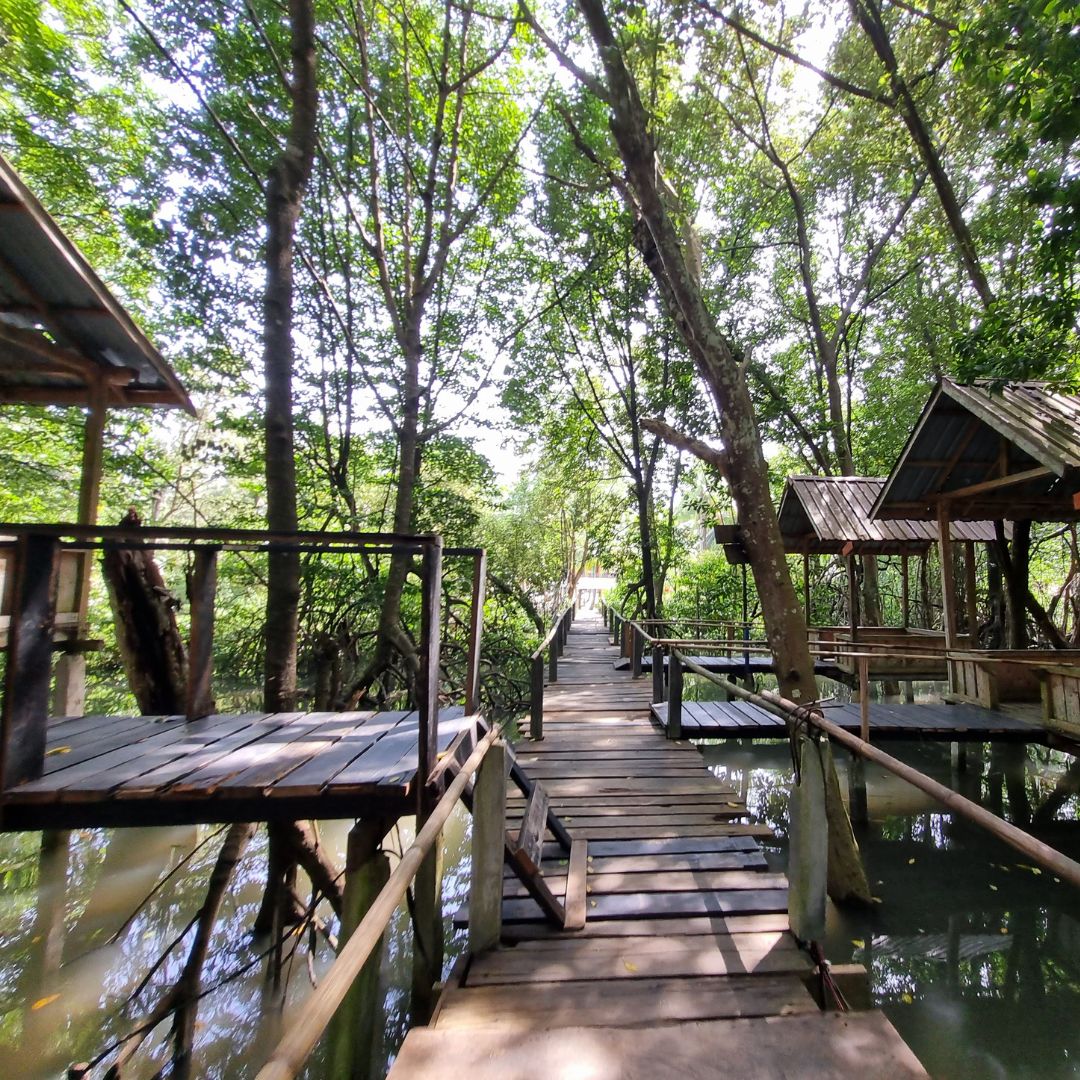
Welcome to the Pandang Tak Jemu mangrove destination
History of Pandang Tak Jemu Mangrove
Before this place became what you see today, Pandang Tak Jemu was actually used as a dumping area. Many people threw their rubbish into the mangroves, and the environment was heavily damaged.
But one local man, Gari, believed this place could be something better. He started cleaning the area by himself, little by little. Over time, he encouraged other local people to join him. Together, they cleaned and restored the mangroves.
At first, it was just a simple place to sit and rest. But as the area became cleaner and more beautiful, more visitors started coming. People became interested not only in the scenery, but also in the story behind it.
Today, Pandang Tak Jemu is a proud example of how a community can transform their environment. It is now recognized as a tourism destination and has even been nominated as one of the Top 50 Community-Based Tourism sites in Indonesia.
So when you walk here today, you’re not just enjoying nature you’re also witnessing the result of community effort and care.
Mangrove Eco-tour Itinerary
Tour time-line
Part 1: Pandang Tak Jemu timeline
- Welcome guests upon arrival
- Brief introduction to the mangrove site Introduce the tour guide
- Present and explain the tour map and route
- Conduct safety briefing and share visitor guidelines
- Introduce the history of the mangrove at the site
Part 2: Mangrove Edu-tour
- Introduction to Mangrove Functions
- Mangroves in Indonesia
- Species Found in Indonesia
- Species Found in Pandang Tak Jemu Mangrove
- Mangrove Life Creatures
- Mangrove Products
Part 3: Mangrove discovery
- Follow the Tour Map
- Photo Spot at the Icon
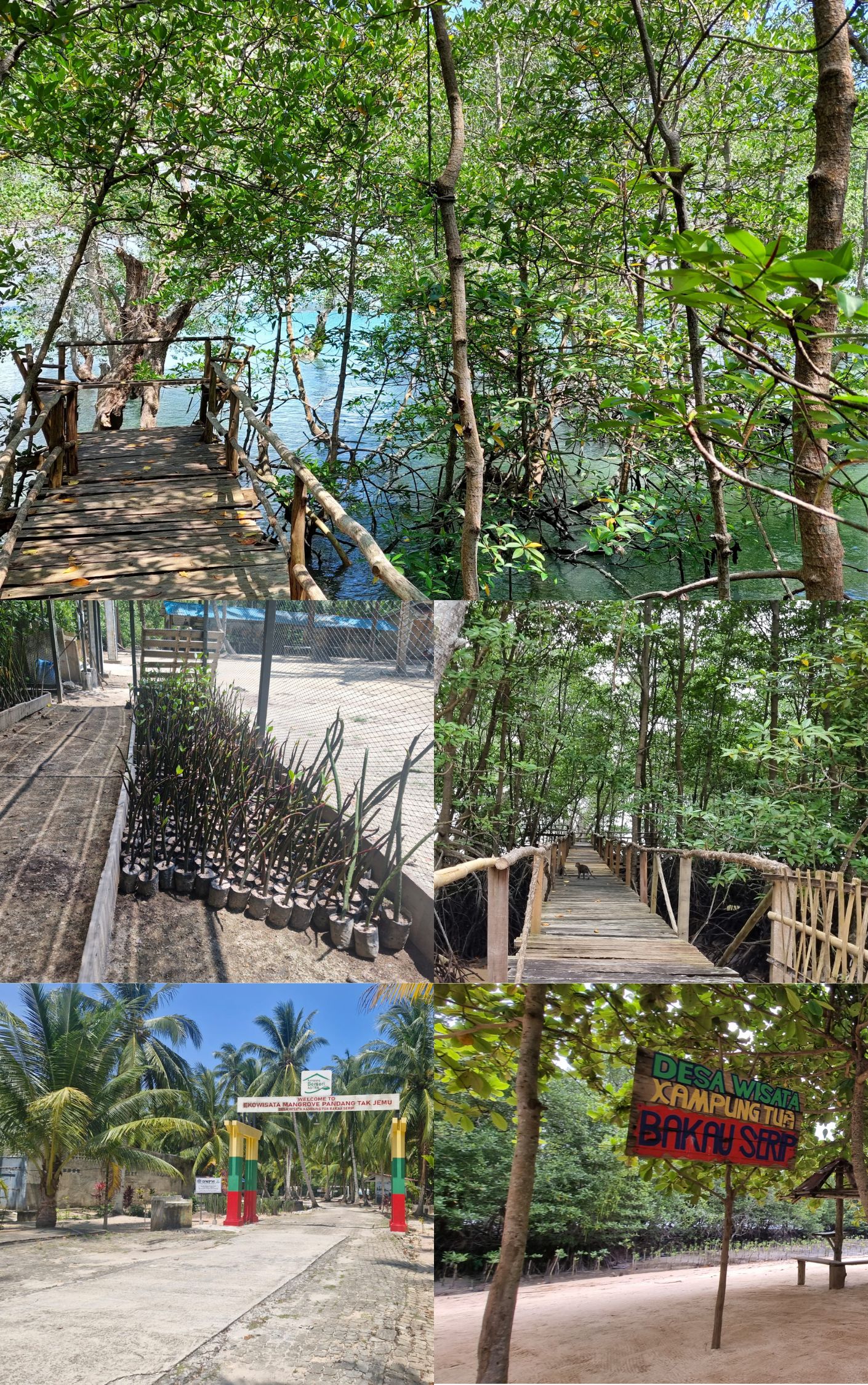
- Explore the Boardwalk
- Refreshment Break
Section 4: Takeaway and Farewell
- Takeaway and Souvenirs
- Farewell
- Thanking the participants
- Encourage guest to share their experience and help spread awareness about mangrove conservation

The Do’s and Don’ts during this trip?
Do’s
- Follow all instructions from your guide
- Stay on designated paths and boardwalks
- Take photos without disturbing wildlife
- Wear suitable clothing and footwear
- Keep the area clean and dispose of trash properly
- Respect the plants and animals
Don’ts
- Touch or remove plants and animals
- Litter or leave any waste behind
- Make loud noises that may disturb wildlife
- Step off the paths into the mud or water
- Smoke or use fire in the mangrove area
- Feed the animals
*** Our Vision
We believe in continuing to explore the world and experience the richness of tourism, while embracing our responsibility to protect nature. Every journey we take is not just about discovering new places, but also about respecting the environment and supporting local communities. By practicing responsible tourism, we contribute to the preservation of ecosystems, cultural heritage, and marine life, ensuring that future generations can enjoy the same wonders. Our vision is to make travel a force for good, where exploration goes hand in hand with sustainability, and every adventure leaves a positive footprint on the planet