
The Origins of Indonesian Culture
Indonesia’s culture has developed over thousands of years through the interaction of indigenous traditions and influences from various civilizations around the world. The earliest inhabitants of the archipelago brought their own customs, beliefs, languages, and artistic traditions, which became the foundation of Indonesian culture.
Due to its strategic location along ancient maritime trade routes, Indonesia became a meeting point for merchants and travelers from India, China, the Middle East, and later Europe. These interactions introduced new religions, ideas, technologies, and cultural practices that blended with local traditions.
Indian influence brought Hinduism and Buddhism, leading to the rise of great kingdoms such as Srivijaya and Majapahit. Beginning in the 13th century, Islam spread through trade networks and gradually became the dominant religion across much of the archipelago. Chinese traders contributed to commerce, architecture, cuisine, and cultural traditions, while European powers, particularly the Portuguese and Dutch, left their mark during the colonial period.
Today, Indonesia is home to more than 1,300 ethnic groups and over 700 local languages. Each region has its own unique customs, traditional clothing, dances, music, and culinary heritage. Despite this diversity, Indonesians are united by the national motto “Bhinneka Tunggal Ika”, meaning “Unity in Diversity.”
Indonesia’s culture is therefore not the product of a single origin but rather a rich blend of indigenous heritage and centuries of cultural exchange, making it one of the most diverse and fascinating cultures in the world.
Indonesian Cultural Performance
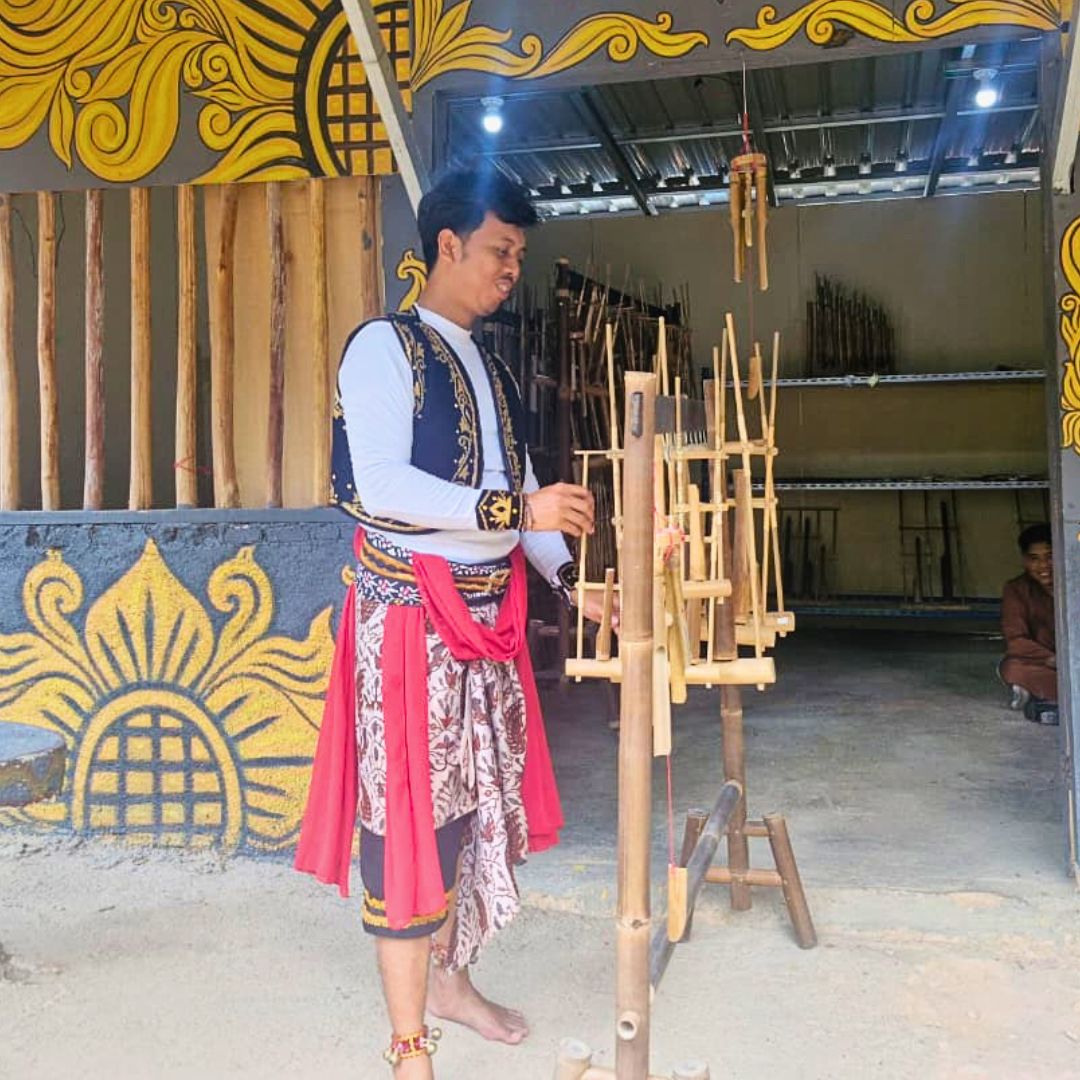
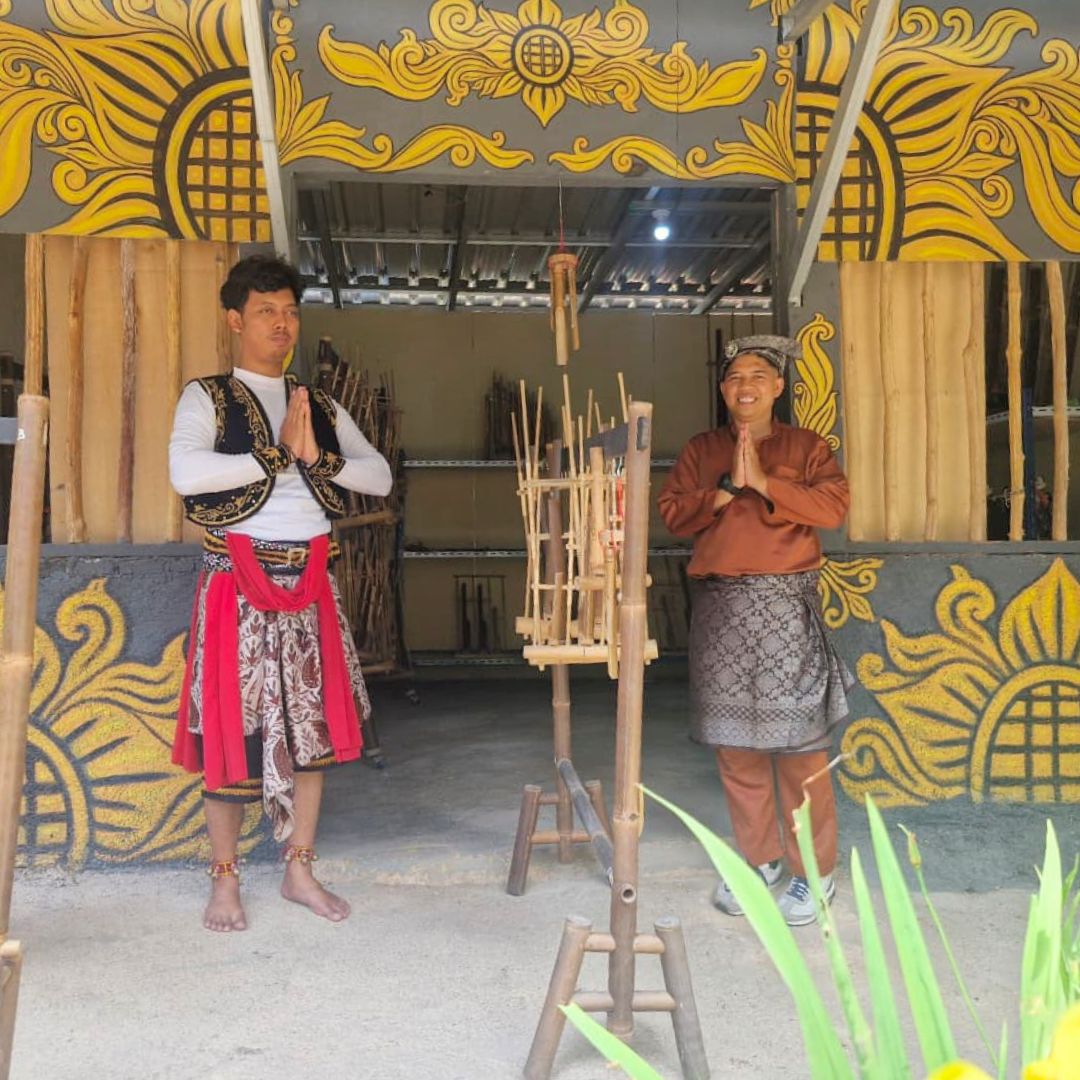
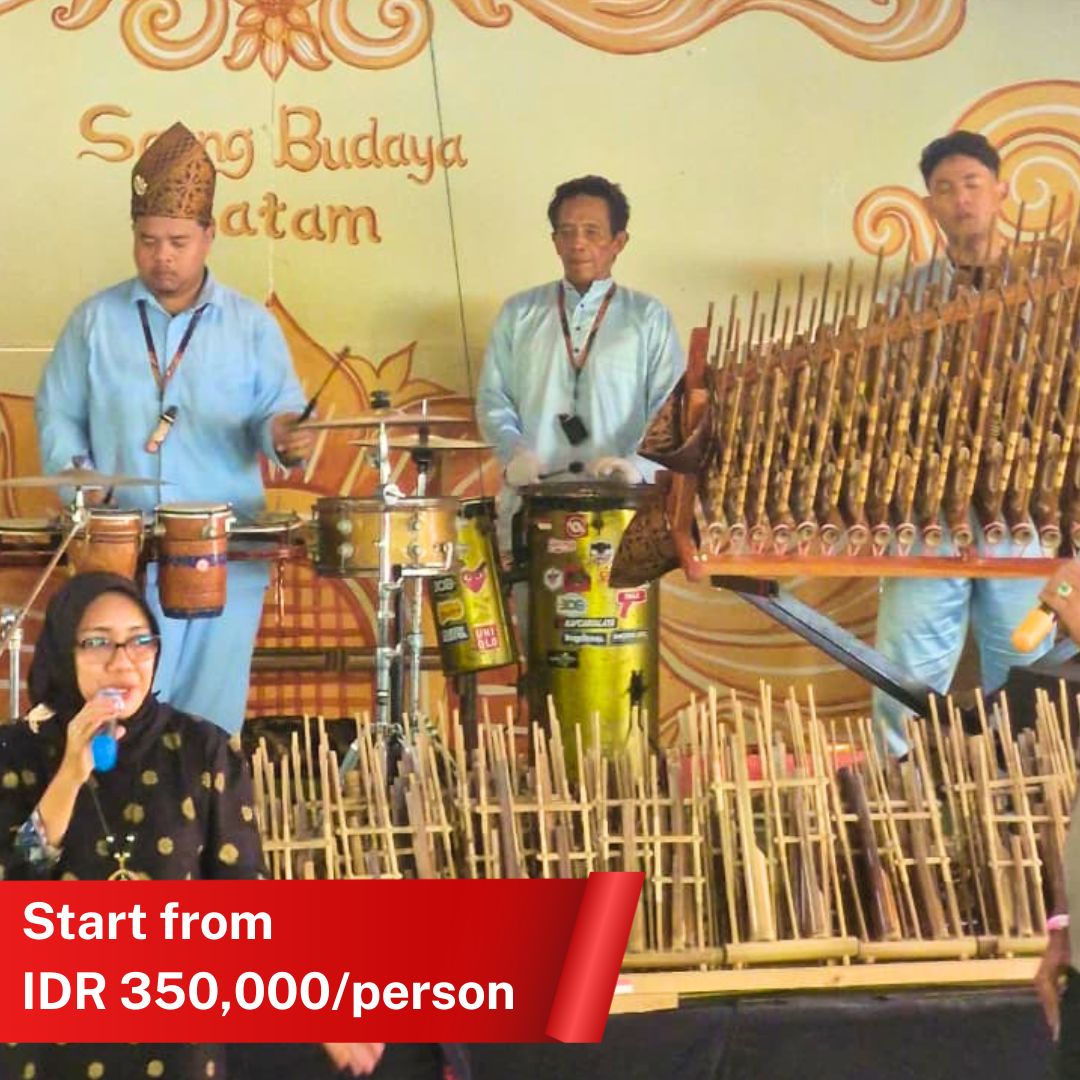
Immerse yourself in Indonesia’s rich cultural diversity through a spectacular cultural performance showcasing traditions from across the archipelago. The show combines traditional dance, drama, music, and storytelling, allowing visitors to experience the unique customs, costumes, and artistic heritage of Indonesia’s many ethnic groups in one place.
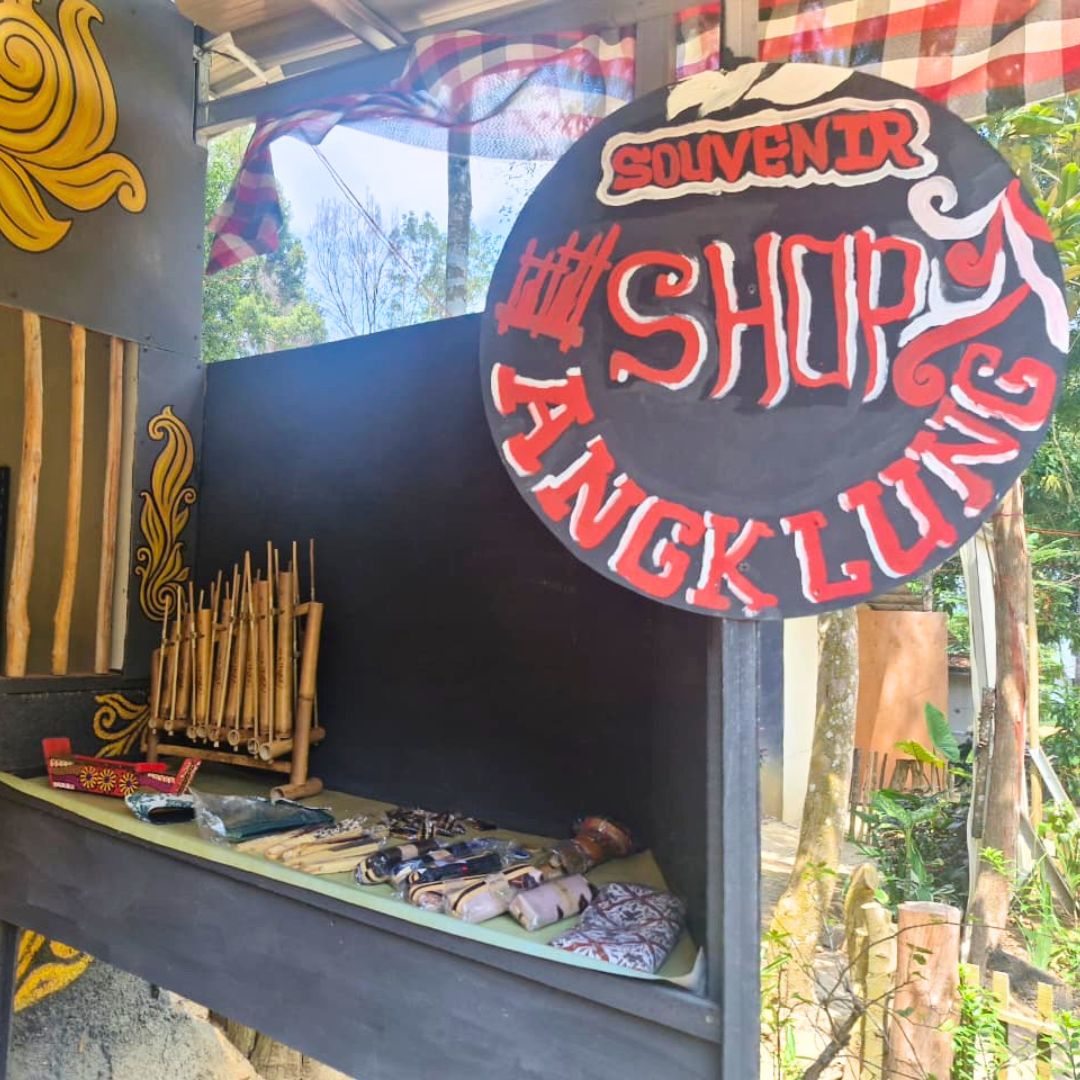
Guests will enjoy an engaging dance theatre performance that brings Indonesian legends, history, and local traditions to life through vibrant choreography and theatrical storytelling. The experience also includes an interactive Angklung performance, where visitors can learn to play Indonesia’s famous bamboo musical instrument and participate in creating beautiful melodies together.
In addition to the cultural show, visitors will discover the fascinating history of Batam, from its origins as a fishing community to its transformation into one of Indonesia’s leading industrial and tourism destinations. This enriching experience offers a perfect blend of entertainment, education, and cultural appreciation.
Indonesian Folklore and Cultural Heritage
Indonesia is rich in folklore, legends, and traditional stories that have been passed down orally from generation to generation. Long before written history, communities across the archipelago used storytelling to teach moral values, explain natural phenomena, and preserve their cultural identity.
Many Indonesian folktales originate from ancient kingdoms and local traditions. These stories often feature heroes, princesses, mythical creatures, and supernatural events that reflect the beliefs and values of different ethnic groups. Famous examples include the legend of Malin Kundang from West Sumatra, Sangkuriang from West Java, Timun Mas from Central Java, and Hang Tuah, the legendary Malay warrior of the Malay world.
Folklore plays an important role in Indonesian culture because it teaches lessons about respect, loyalty, honesty, courage, and responsibility. Each region has its own unique stories, reflecting the diversity of Indonesia’s more than 1,300 ethnic groups.
Today, these legends continue to live through traditional performances, dance dramas, puppet shows, literature, and cultural festivals. They not only entertain but also help preserve Indonesia’s rich cultural heritage and strengthen the nation’s identity.
Indonesia’s folklore is a treasure of wisdom and imagination, offering a fascinating glimpse into the history, traditions, and values that have shaped the archipelago for centuries.
Hang Tuah: The Legendary Malay Warrior
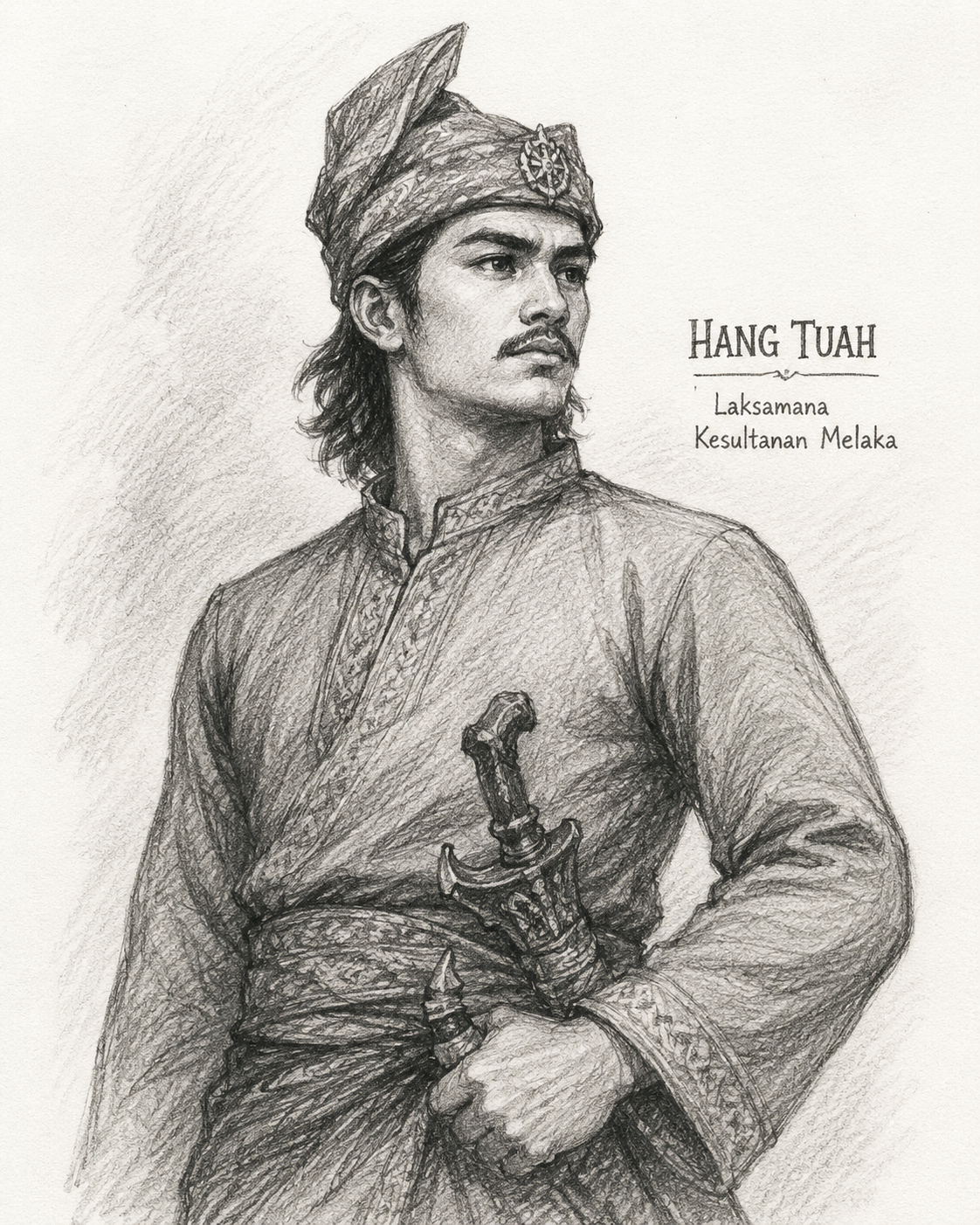
According to a popular Malay legend in the Riau Islands, Hang Nadim, Hang Jebat, and Hang Tuah are remembered as three great figures who represent wisdom, justice, and loyalty. Hang Tuah was the Sultan’s most trusted warrior, known for his unwavering loyalty and bravery.
Hang Jebat was his closest friend, famous for standing up against injustice when he believed Hang Tuah had been wrongly punished. Their story highlights the timeless debate between loyalty to authority and the pursuit of justice.
Another well-known figure, Hang Nadim, was a clever young boy who saved the kingdom of Singapura from attacks by swordfish by suggesting that banana trunks be used as a barrier. However, jealous officials feared his intelligence and persuaded the ruler to have him executed. Together, these legends continue to teach important values about courage, wisdom, leadership, and the consequences of power.
