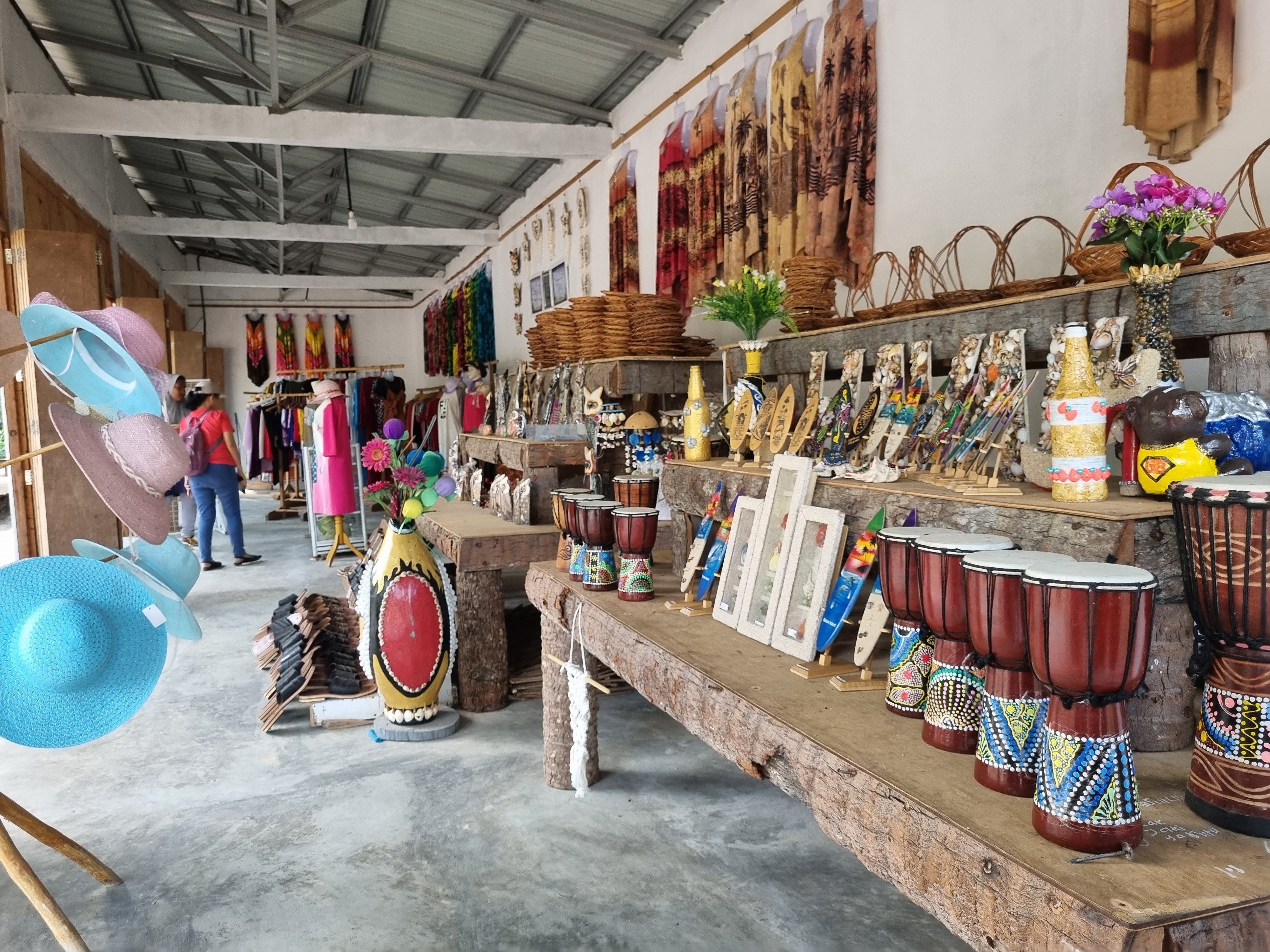
Community-based tourism in Batam is a growing example of how local communities can take ownership of tourism and turn it into a sustainable source of income. In several areas, tourism initiatives are not managed by large companies but by neighbourhood groups who plan, build, and fund the attractions themselves. These communities develop simple yet meaningful destinations such as mangrove villages and scenic spots, allowing visitors to experience the natural beauty of Batam while directly supporting local livelihoods.
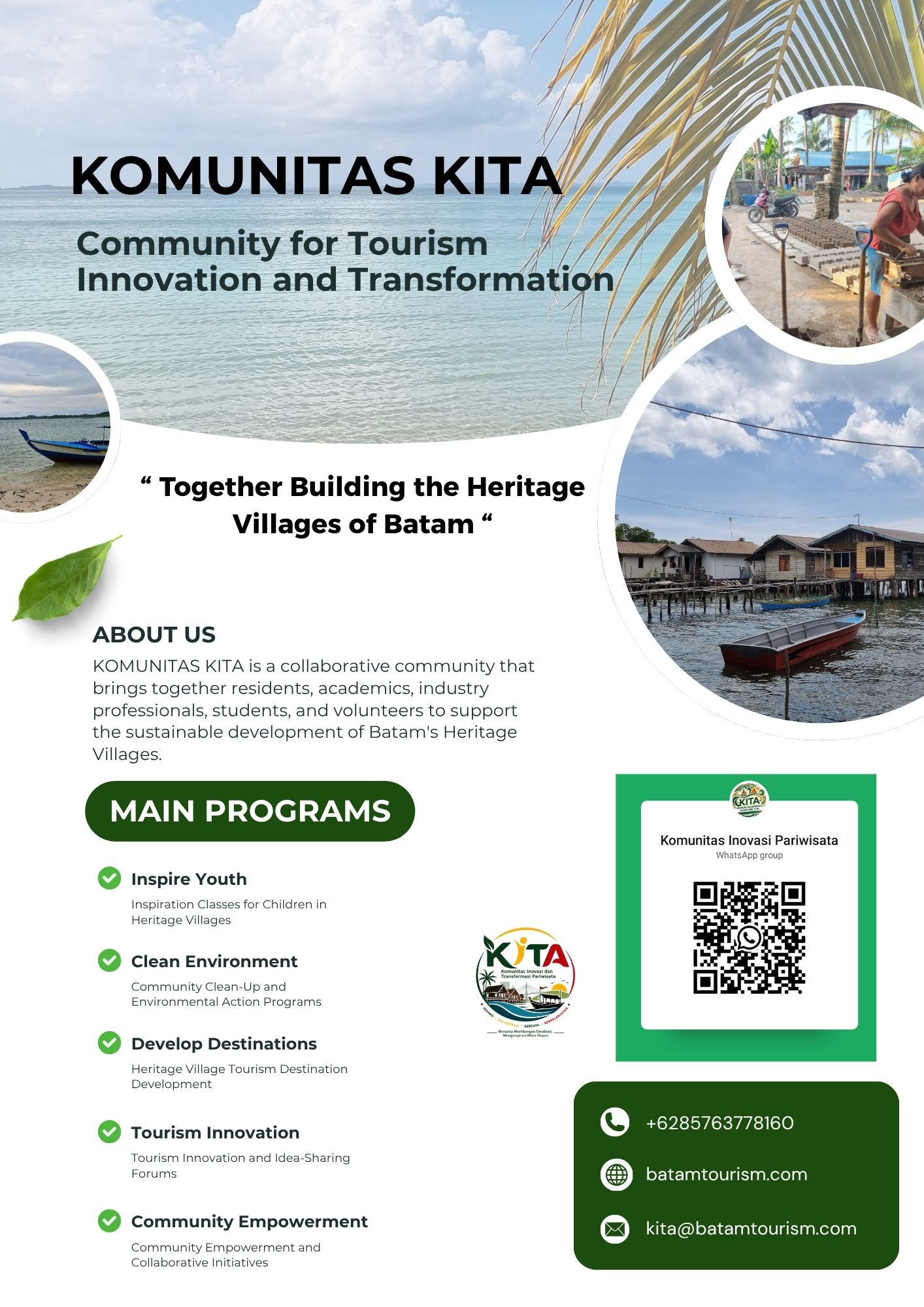
One example of this movement is KOMUNITAS KITA (Komunitas Inovasi dan Transformasi Pariwisata), a collaborative community that brings together local residents, academics, industry practitioners, students, and volunteers to contribute to the development of Kampung Tua in Batam. The community promotes sustainable tourism through education, cultural preservation, environmental stewardship, innovation, and stakeholder collaboration. Its activities include inspirational classes for children, community clean-up programmes, tourism destination development, and forums for tourism innovation. Through these initiatives, KOMUNITAS KITA seeks to empower local communities while preserving cultural heritage and creating meaningful tourism experiences that benefit both residents and visitors.
Why Community Based Tourism (CBT) is important?
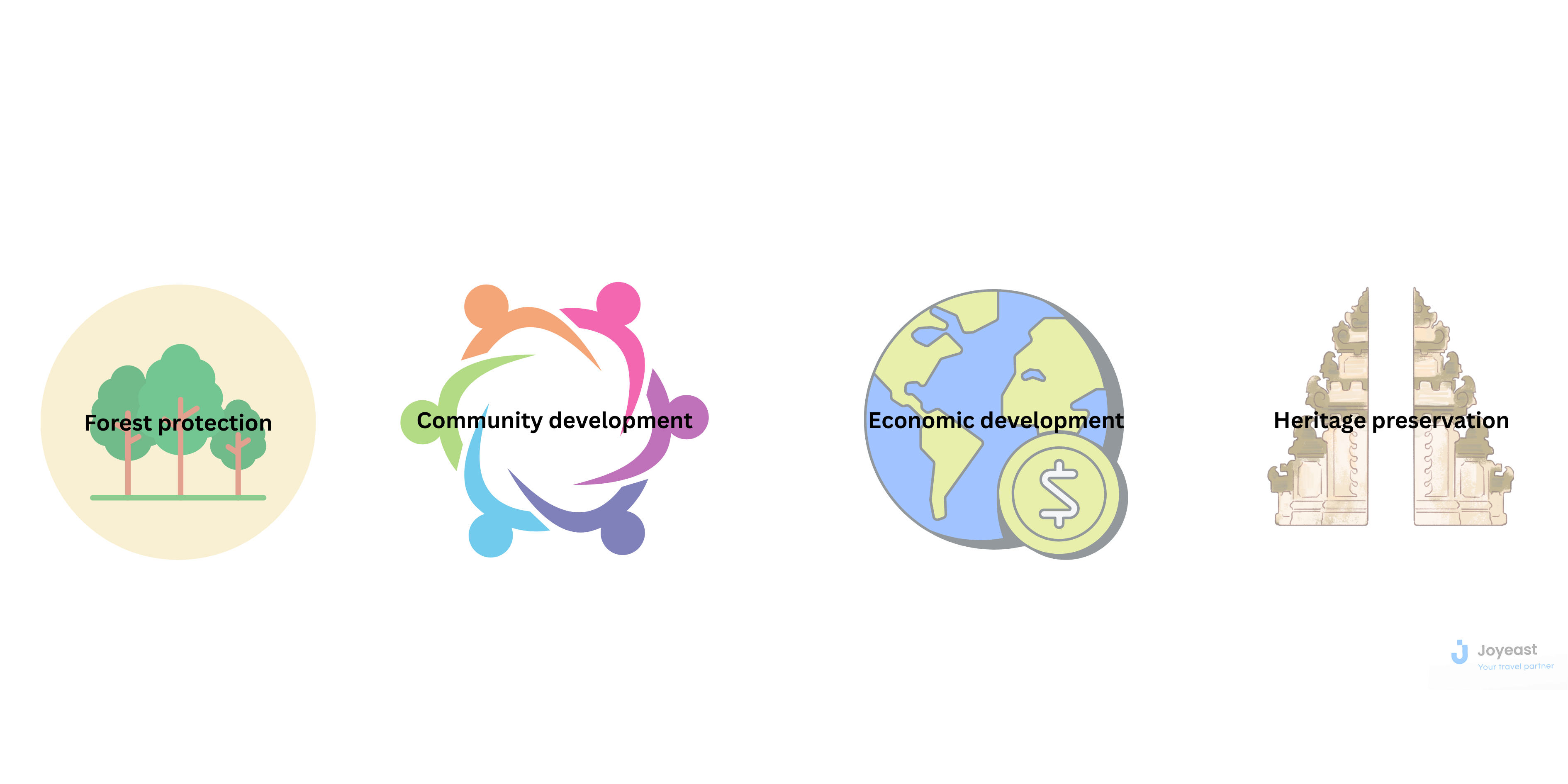
Community-based tourism is important because it changes who benefits from tourism.
Imagine visiting a small village in Batam. Instead of staying in a big hotel owned by a company far away, you stay with a local family, eat their food, and join their daily activities. The money you spend goes directly to them it helps them support their family, improve their home, and build a better future. In this way, tourism becomes something that truly benefits the people who live there.
As you spend more time in the village, you begin to notice something special. The traditions are still alive. You try making batik, join in simple farming activities, and see how local crafts are made. These are not performances they are part of real life. Because of tourism, these traditions are not disappearing; instead, they are being valued and shared.
Then, you visit the mangrove area. A local guide explains how these trees protect the coastline. You even get a chance to plant one yourself. In that moment, you realize that this is more than just a tour you are contributing to something meaningful. The environment is not only being protected but also appreciated.
By the end of your trip, it doesn’t feel like you just visited a place. You feel connected to the people, their stories, and their way of life. That’s what makes community-based tourism different. It turns a simple trip into a real experience, where both visitors and local communities benefit together.
What types of community-based tourism elements are present in Batam?
Natural-based destinations
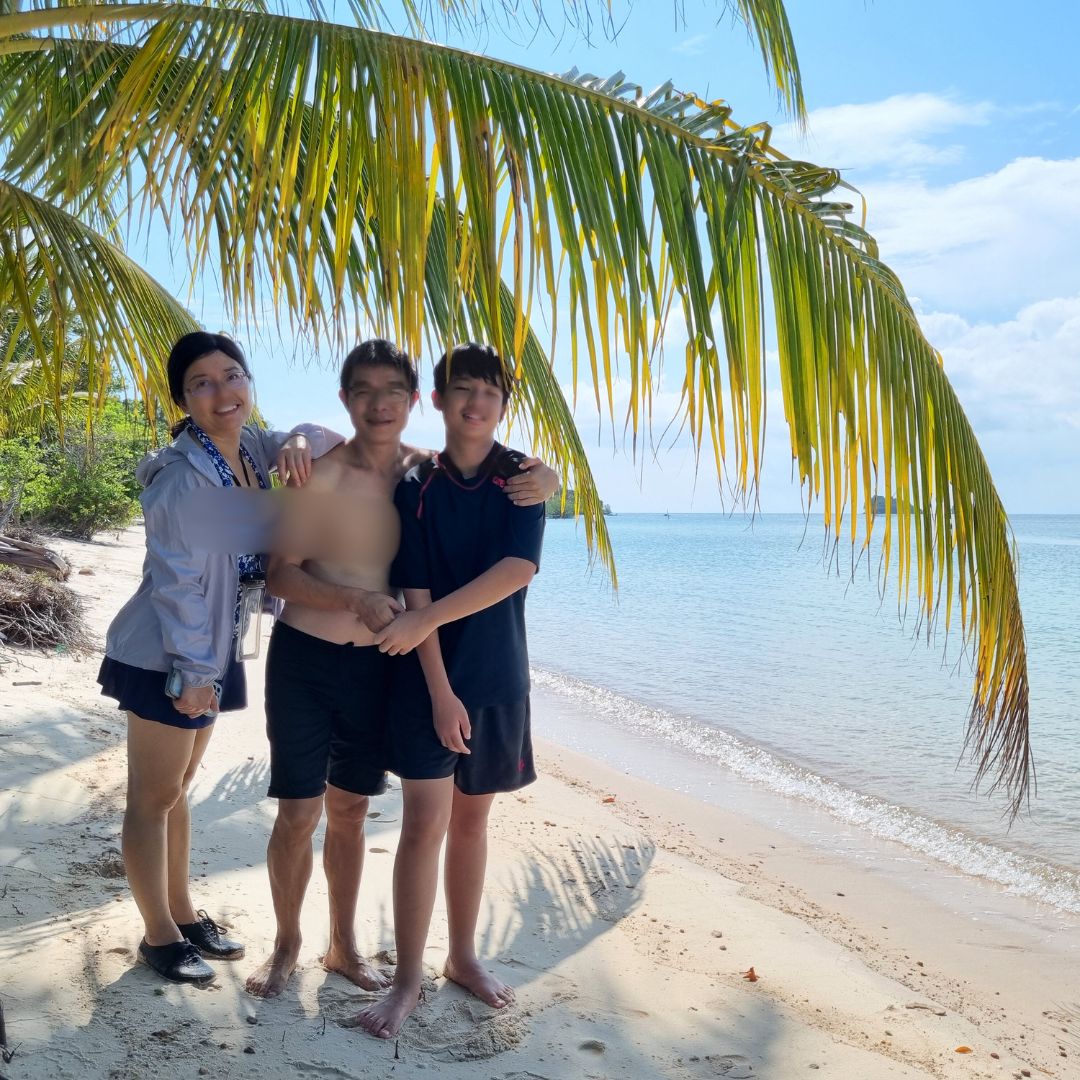
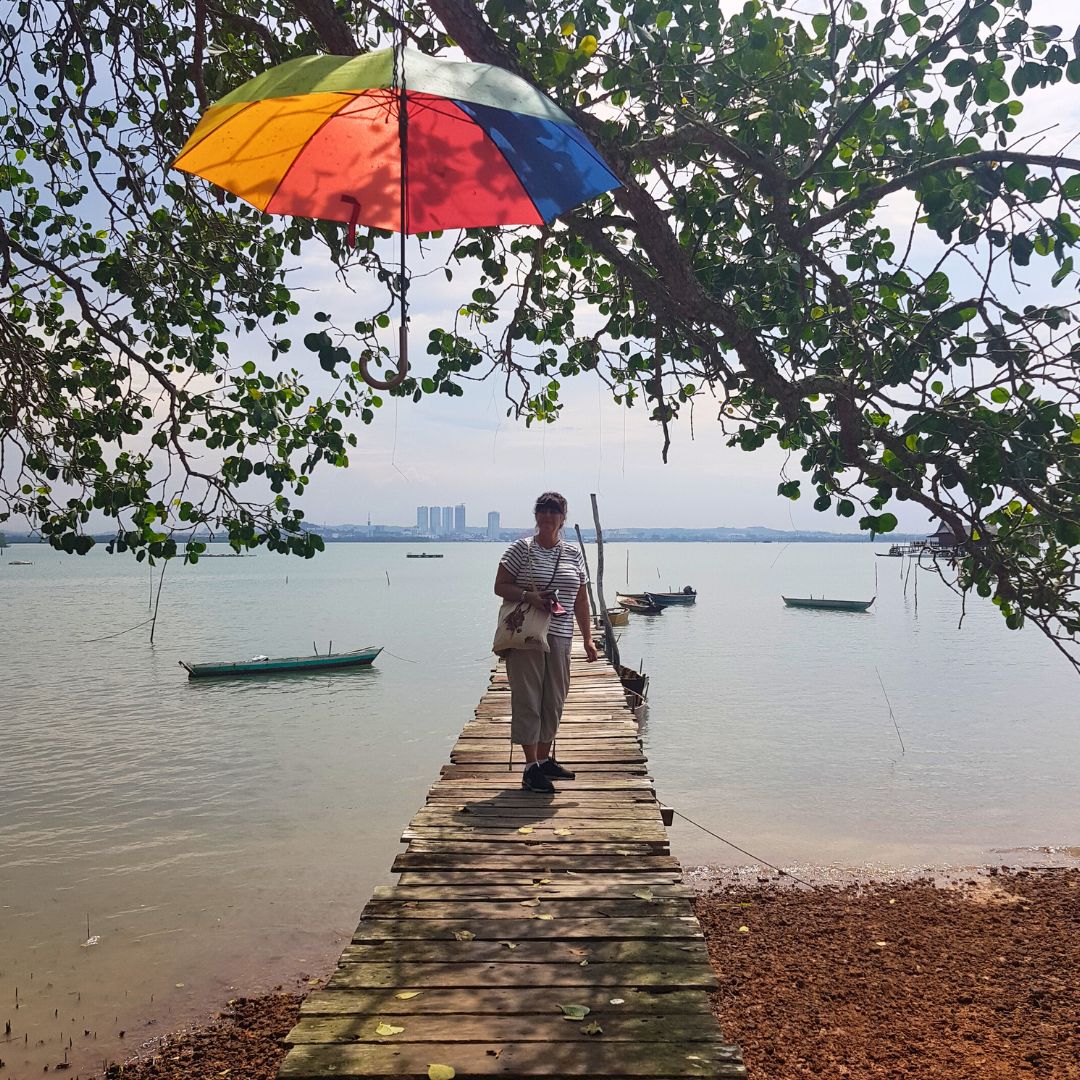
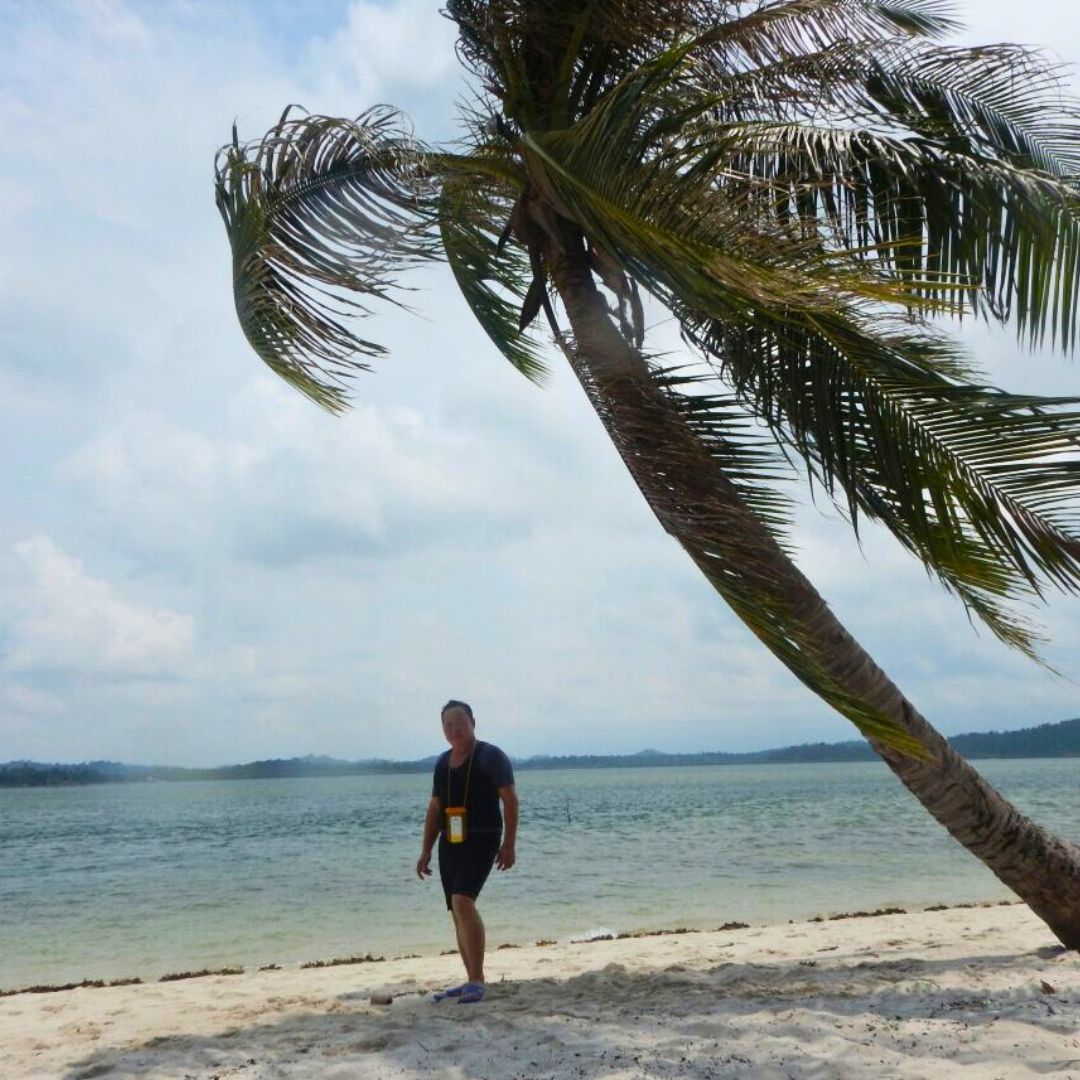
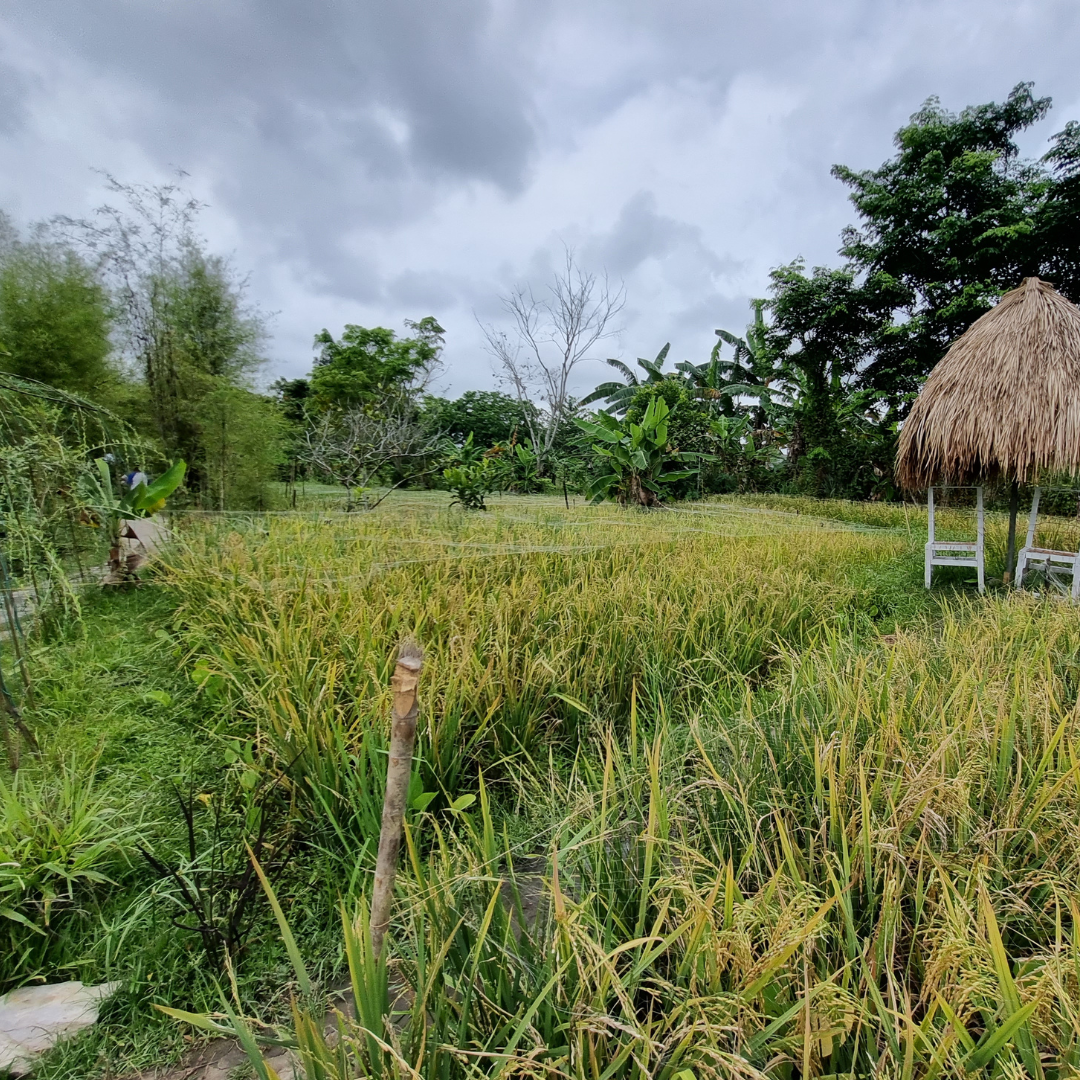
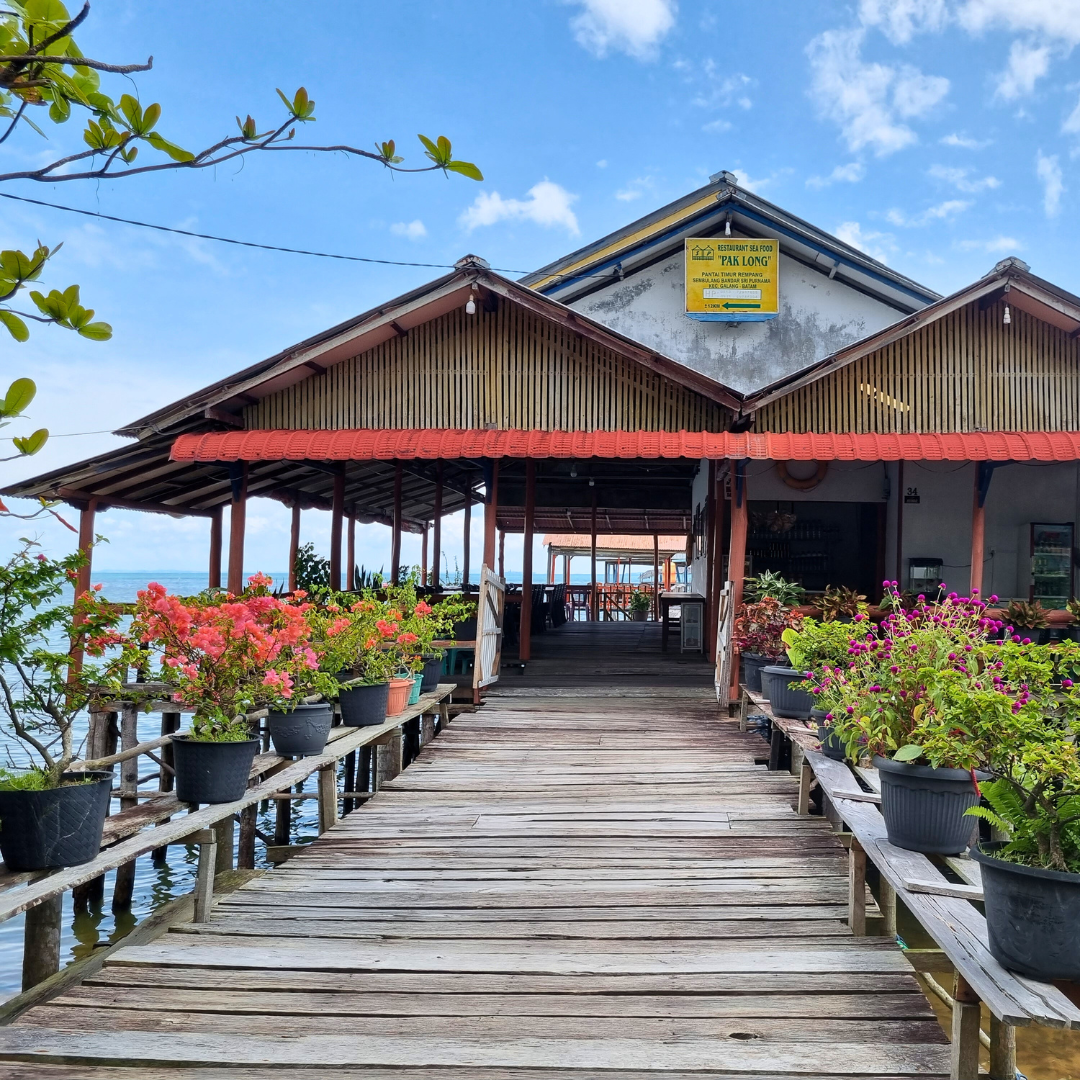
These are places like rice field, small islands, and scenic viewpoints. The community takes care of these areas and turns them into places visitors can enjoy, while still protecting nature. This destinations require low to moderate funding. The community mainly needs basic infrastructure like wooden walkways, signage, and simple facilities. Since nature is already there, the main effort is maintaining and protecting it.
Community-run accommodations
Instead of staying in big hotels, you stay in a local home. It’s simple, but it feels warm and personal, and you get to experience how local people live. Homestays need a bit more investment. Even though they are simple, families still need to prepare rooms, improve sanitation, and ensure comfort for guests. So, the funding is usually moderate, and it often comes directly from the homeowners themselves
Cultural and experiential activities
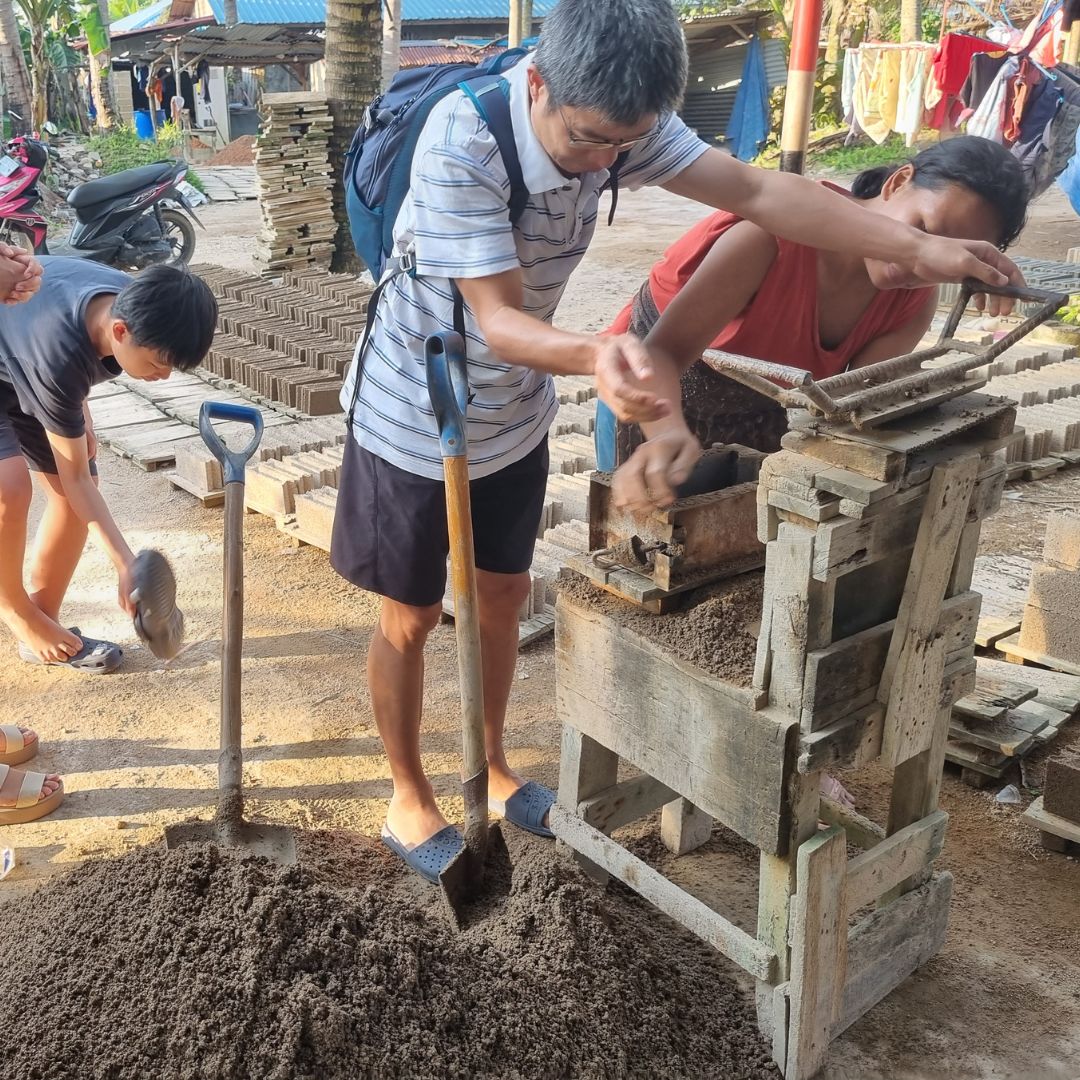
You don’t just visit you actually do things. You can try making batik, planting rice, picking fruits like guava, or even weaving baskets. It makes the experience more fun and meaningful. Activities like batik making, farming, or basket weaving, which are generally low-cost. These activities already exist in daily life, so tourism just adds value to them. The main investment is in tools, materials, and sometimes training to make the experience more visitor-friendly.
Conservation-based tourism
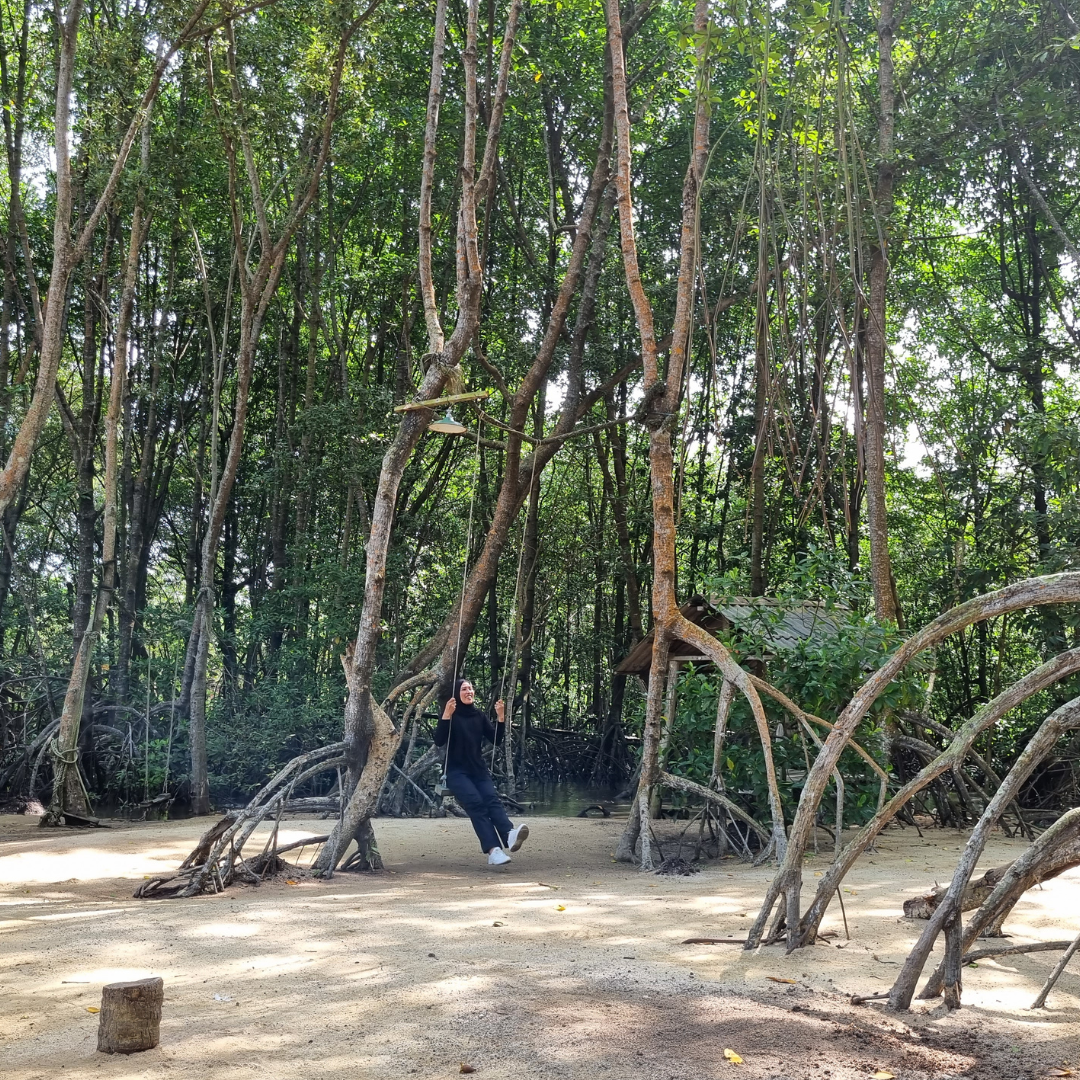
The locals will explain why mangroves are important, and sometimes you can even plant them yourself. It’s a small activity, but it has a big impact on protecting the environment. Mangrove planting, the funding can vary. Basic activities are low-cost, but if the community includes education programs, guided tours, or long-term conservation projects, the cost becomes moderate because it requires knowledge, coordination, and sometimes external support.
Local products and micro-economy
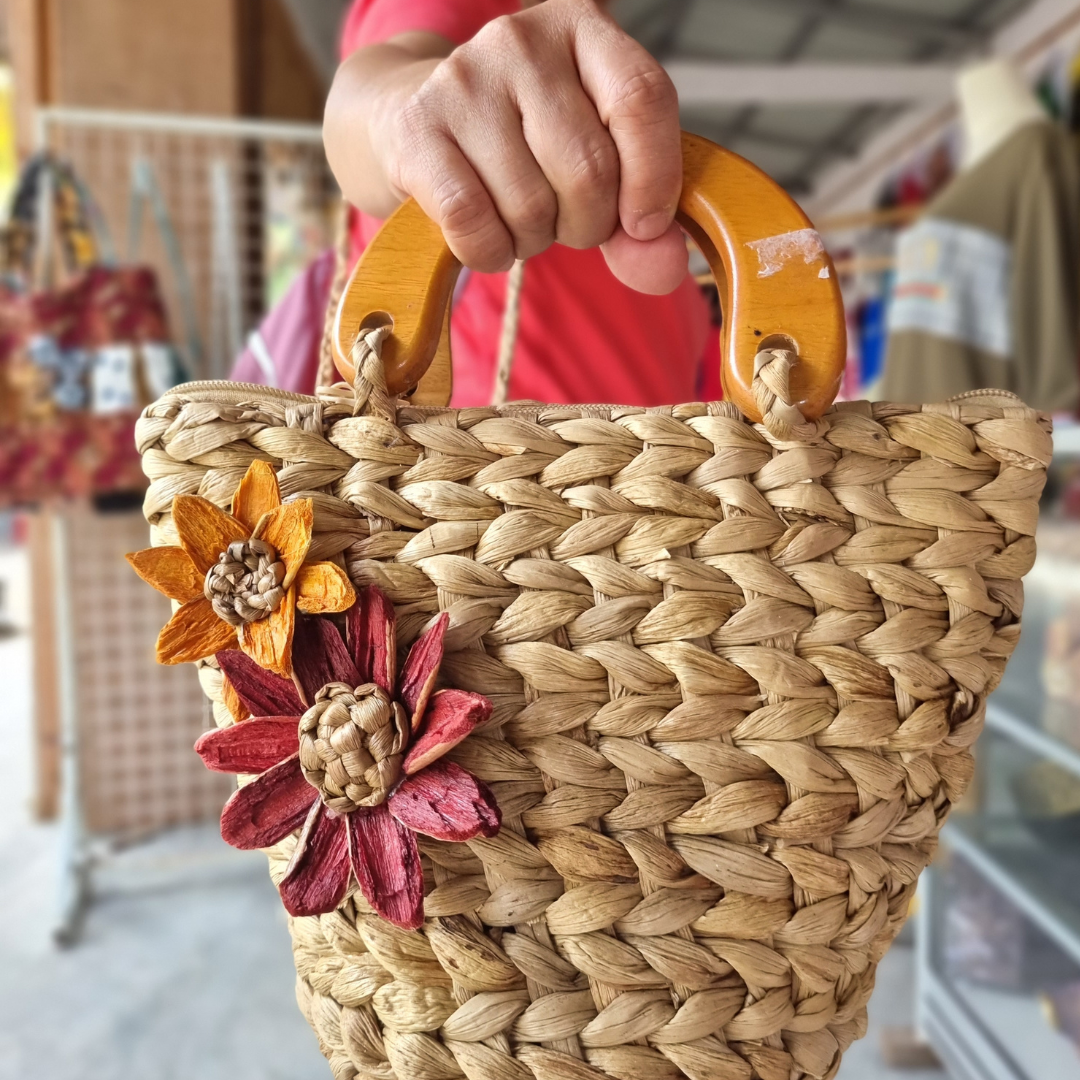
You’ll find homemade snacks and handmade crafts sold by the community. When you buy them, you’re directly supporting local families. local products and small businesses usually need low funding. People produce snacks or crafts using what they already have. However, if they want to scale up like improving packaging or branding then the cost can increase.
A story about visiting Kampung tua batu besar (a big stone village)

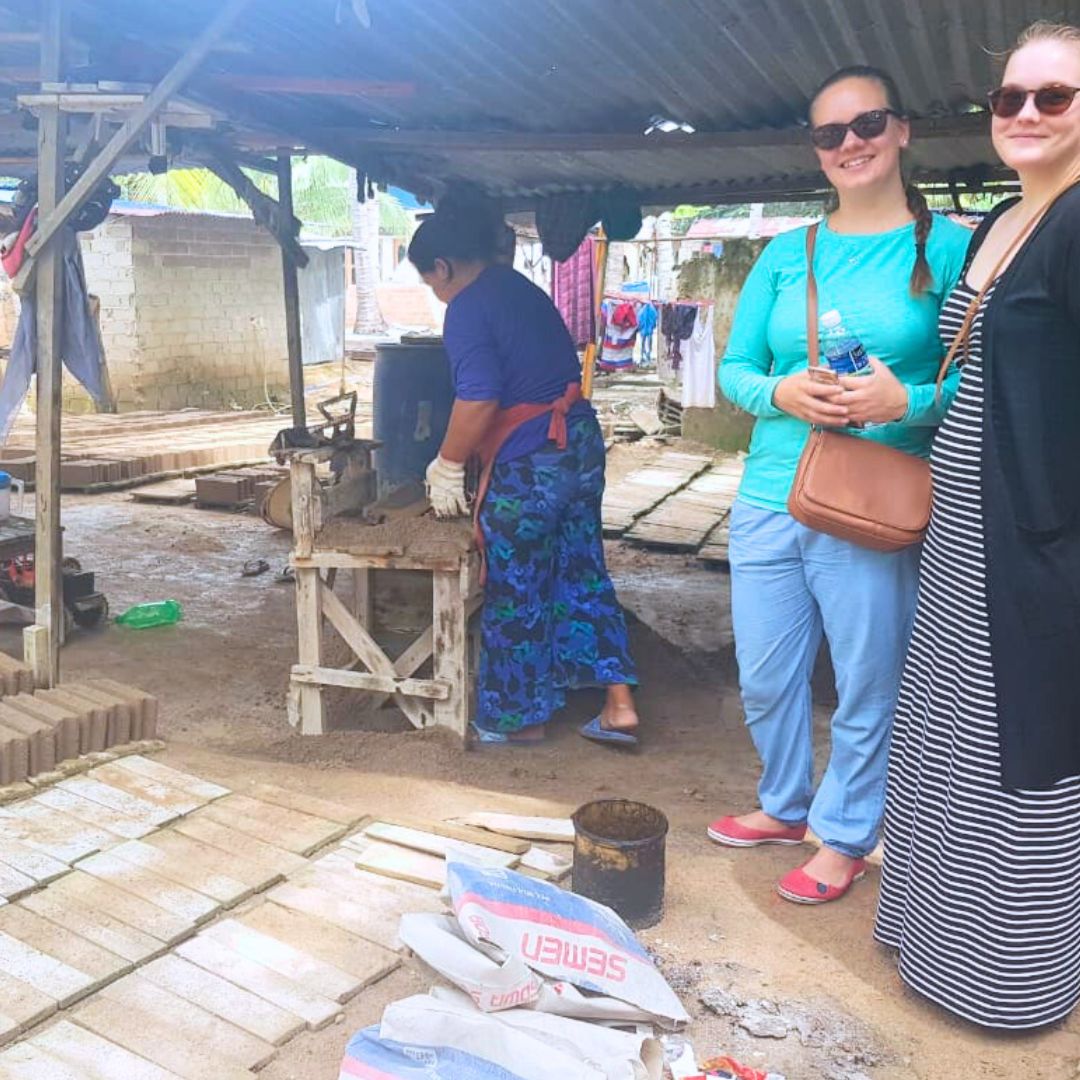
The village where the traditional Batam bricks production still exist
Step into the authentic charm of Kampung Tua Batu Besar, where the rhythm of coastal life, warm local hospitality, and rich cultural heritage create an unforgettable experience. Wander through traditional stilt houses, meet friendly residents, learn local customs, join community activities such as mangrove planting and traditional food preparation, and discover handmade crafts and local delicacies. More than just a destination, Kampung Tua Batu Besar offers a meaningful opportunity to connect with the community, support local livelihoods, and experience the true spirit of Batam while helping preserve its culture and natural environment for future generations.
All you need to know about cultural tours
Dare to Get Dirty
Cultural tours often involve hands-on activities like rice planting, brick making, or weaving, which means getting your hands and sometimes your clothes, a little muddy. Embrace the experience, as it’s the best way to truly connect with local traditions and learn the skills firsthand.
What to Prepare?
Since many activities take place under the sun, it’s important to bring sun protection like hats, sunscreen, and light clothing. Comfortable shoes and a reusable water bottle are also recommended, as you’ll be moving, standing, and exploring for several hours while fully immersing yourself in cultural experiences.
When is the Best Month to Come?
The ideal time for cultural tours in Batam and other outdoor areas is during the dry season, typically between February and July. During this period, the weather is sunnier and fields and villages are more accessible, making outdoor activities safer and more enjoyable.
Discover more
Learn even more about the the island from the must-sees to local secrets to one-of-a-kind experiences and so much more.